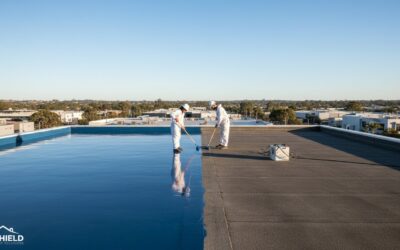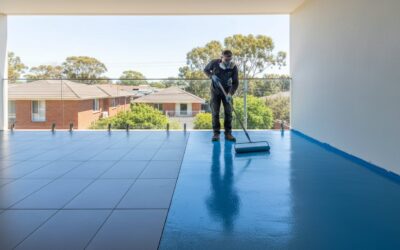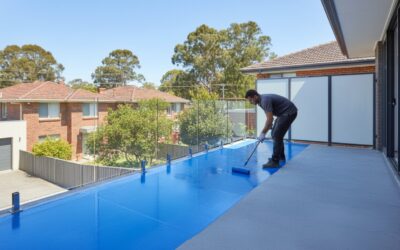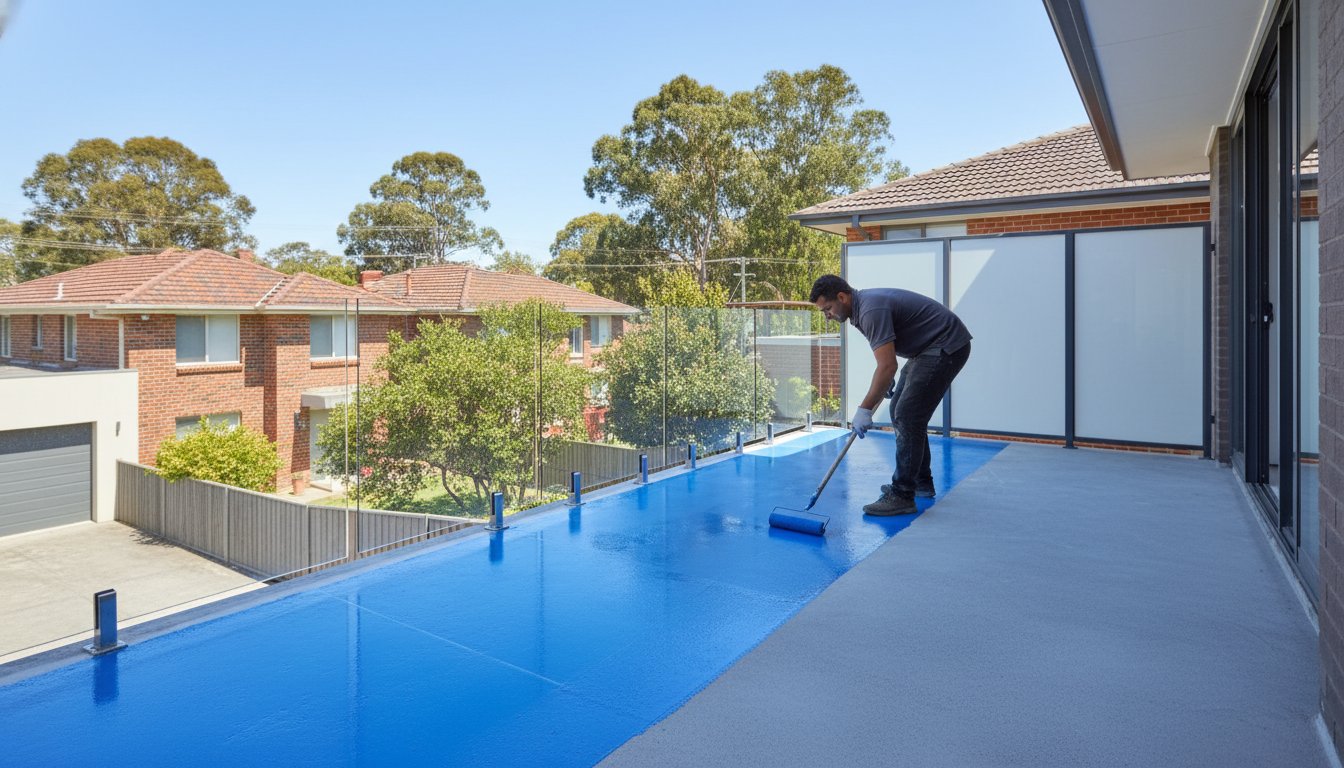
A single failed membrane can devalue a Sydney property by hundreds of thousands of dollars in structural remediation costs. If you are managing a flat roof, the intense UV exposure and seasonal storms mean that standard solutions often fall short of providing a permanent shield. Selecting the right rooftop waterproofing sydney system is no longer just about stopping a leak; it is about engineered compliance and long-term asset protection. You shouldn’t have to worry about recurring dampness or the confusion of choosing between torch-on and liquid systems every time the clouds turn grey.
We understand that you want a definitive solution that secures your building’s integrity for a decade or more. This guide delivers expert insights into the 2026 Australian Standards, ensuring your property meets the latest NSW building codes for drainage falls and UV durability. We will examine the critical differences between modern membrane types and outline the mandatory documentation, including flood testing and compliance certificates, required to protect your investment and your peace of mind.
Key Takeaways
- Understand why Sydney’s extreme UV radiation and rapid temperature shifts require specialised, multi-layered defensive systems to manage structural movement.
- Identify the most effective rooftop waterproofing sydney system for your property by comparing the technical benefits of liquid, sheet, and torch-on membranes.
- Navigate the mandatory requirements of AS 4654.2 and learn why a formal Certificate of Compliance is essential for your insurance and property value.
- Establish a proactive bi-annual maintenance routine to clear organic debris and prevent hydrostatic pressure from compromising your rooftop’s integrity.
Understanding Rooftop Waterproofing: Why Sydney Properties Require Specialised Defence
Waterproofing is the process of making a structure water-resistant so it remains unaffected by water ingress under specified conditions. For a local property owner, this involves a multi-layered defensive system engineered specifically for horizontal external surfaces. Your rooftop acts as the primary shield for the entire building. It isn’t just a concrete slab; it’s a complex assembly that must repel liquid while accommodating the natural stresses of the structure. Failing to treat a rooftop as a high-performance barrier is the leading cause of premature building degradation.
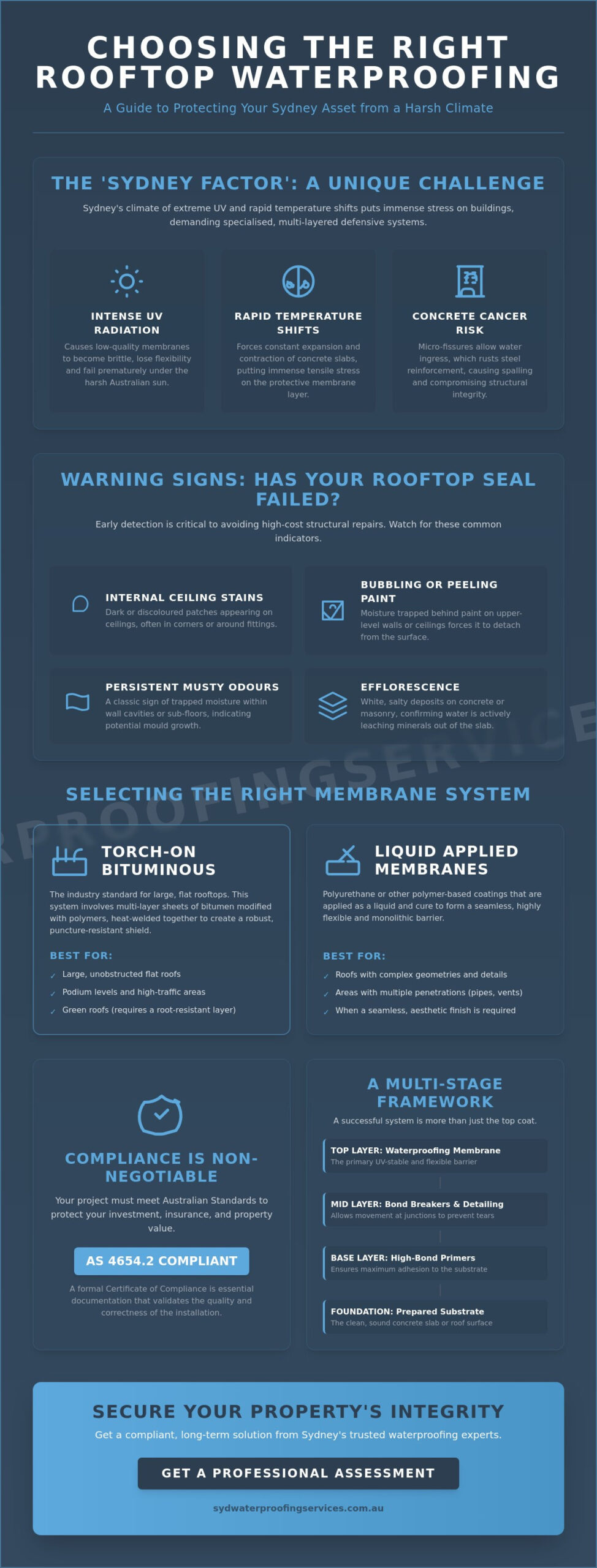
Sydney properties face a unique set of environmental challenges that we define as the “Sydney Factor”. Our climate is characterised by high UV radiation and rapid temperature shifts that force buildings to move. This constant expansion and contraction puts immense pressure on any protective layer. Without a professional approach to rooftop waterproofing sydney assets, this movement creates micro-fissures in the substrate. These cracks allow water to bypass the surface, leading to structural threats that often remain hidden until the damage is severe.
The consequences of a failed system extend far beyond a simple drip from the ceiling. When moisture penetrates a concrete slab, it often leads to concrete cancer, or spalling. This occurs when water reaches the internal steel reinforcement, causing it to oxidise and expand. This expansion cracks the concrete from the inside out and compromises the building’s structural integrity. Trapped moisture creates a breeding ground for toxic mould while ruining internal finishes. Modern Sydney architecture relies on a “sealed envelope” concept. If the rooftop seal fails, the security of the entire property is at risk.
The Impact of Sydney’s Climate on Roof Membranes
Summer in the Sydney basin frequently sees 40-degree days that bake external surfaces. This extreme heat causes significant thermal expansion in concrete slabs. As the sun sets and the temperature drops, the slab contracts. Low-quality membranes quickly become brittle under this intense UV exposure. They lose their flexibility and eventually snap. Professional-grade systems prioritise elongation properties. These membranes act like a high-tension shield, stretching and rebounding with the building to maintain a continuous, unbroken seal regardless of the weather.
Common Signs Your Rooftop Sealing has Failed
Early detection is the key to avoiding high-cost repairs. You should watch for internal ceiling stains, bubbling paint on upper levels, or persistent musty odours in the building. Another critical indicator is efflorescence. These are white, salty deposits that appear on the underside of a slab or along construction joints. It confirms that water is actively leaching minerals out of your concrete. If you identify these warnings, you likely require remedial waterproofing sydney to resolve the underlying failure before it necessitates major structural intervention.
Selecting the Right System: Comparing Sydney’s Most Effective Waterproofing Membranes
Choosing the correct membrane for rooftop waterproofing sydney requires a balance between structural design and functional requirements. It’s not just about the top layer. A successful installation relies on a multi-stage framework starting with high-bond primers to ensure adhesion and bond breakers at all wall-to-floor junctions. These components allow the membrane to move independently of the substrate, preventing tears when the building settles. Every material selection must match the intended traffic of the surface to ensure the barrier remains uncompromised over time.
Torch-On Bituminous Membranes: The Industry Standard
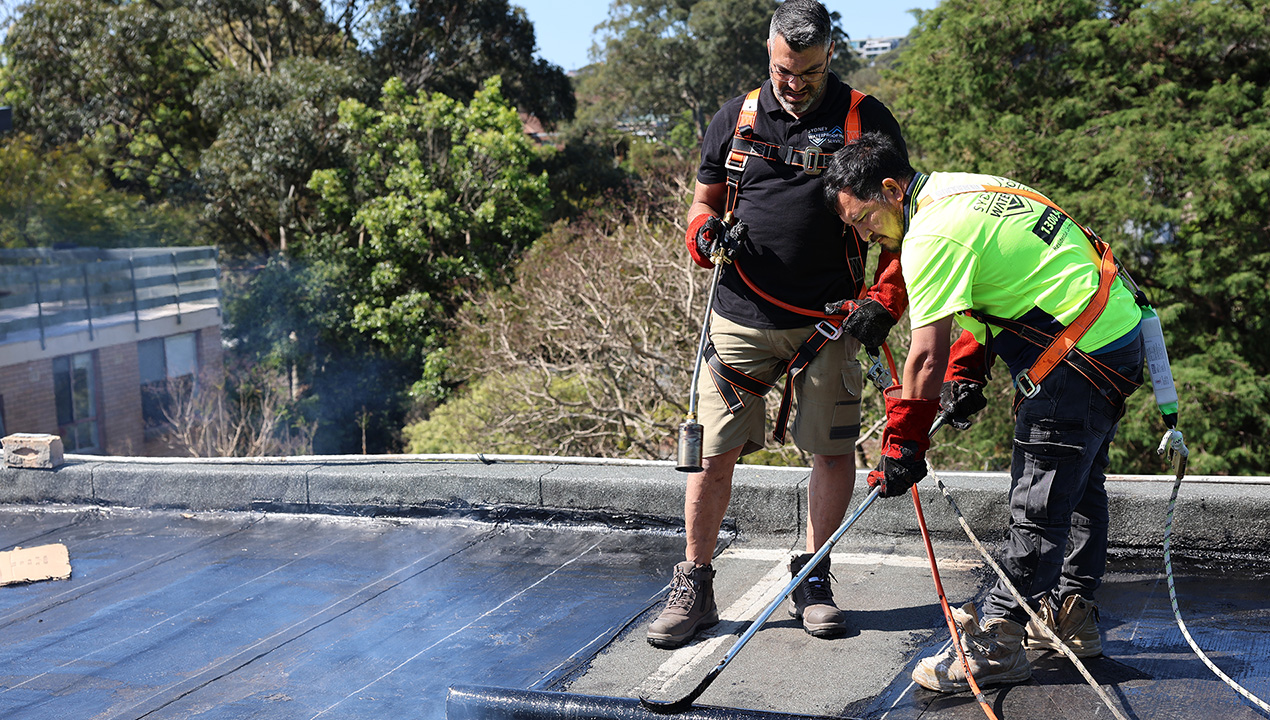
Bituminous torch-on membranes remain the industry standard for large, flat rooftop areas. This system involves multi-layer sheets of bitumen modified with polymers, heat-welded together to create a robust, puncture-resistant shield. It is particularly effective for podium levels and heavy-duty applications. If you are planning a rooftop garden or green roof, ensure your installer uses a specialised root-resistant layer. This prevents root systems from penetrating the bitumen and creating hidden leak paths in your slab.
Liquid Applied Membranes and Polyurethane Coatings
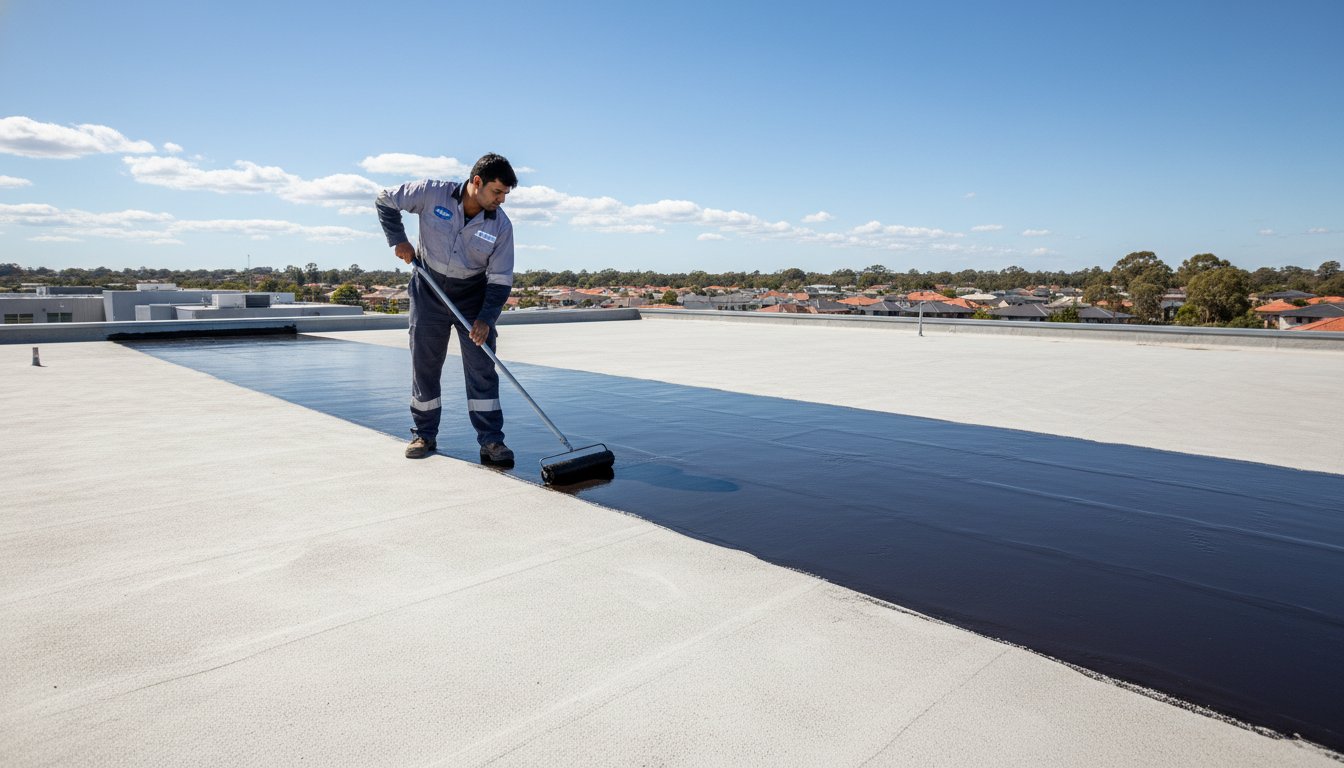
For rooftops with complex geometries, such as those with numerous AC units, vents, or pipe penetrations, liquid-applied polyurethane coatings offer a significant advantage. These systems cure to form a seamless, rubber-like skin that conforms to every corner and protrusion. However, precision is vital. The effectiveness of a liquid system is entirely dependent on achieving the correct Dry Film Thickness (DFT). If the coating is too thin, it will fail under Sydney’s harsh UV conditions. We prioritise meticulous application to ensure every square metre meets the manufacturer’s technical specifications.
Trafficable vs. Non-Trafficable Rooftops
You must distinguish between trafficable and non-trafficable surfaces before work begins. A roof terrace used for entertaining requires a system that can support tiling or slip-resistant coatings, often incorporating drainage cells and insulation boards to manage water flow and thermal regulation. This logic is similar to bathroom waterproofing sydney, where the membrane must withstand constant moisture and surface pressure. For non-trafficable areas intended only for maintenance access, a standard protective coating may suffice. If you’re unsure which system suits your building, you can enquire about our specialised rooftop assessments to find a tailored solution.
The Critical Role of Compliance: Australian Standards and NSW Regulations
Compliance in the construction industry is often viewed as red tape, but for rooftop waterproofing sydney, it is the only thing standing between a secure asset and a legal nightmare. The primary regulation governing this work is AS 4654.2. This standard dictates the precise design and installation requirements for external waterproofing. It covers everything from how high a membrane must be terminated up a wall to the specific UV durability tests a product must pass before it’s permitted for use on a Sydney roof. Following these rules isn’t optional; it’s a structural necessity.
In New South Wales, the law is clear. Any waterproofing work valued at $500 or more must be performed by a licensed contractor. Upon completion, that contractor is legally required to issue a Waterproofing Certificate of Compliance. This document is not just a piece of paper; it is a vital record for home warranty insurance, strata documentation, and future property sales. It confirms the work meets the National Construction Code (NCC) 2026 requirements. Without it, you may find your insurance claims denied or your property’s value diminished during a pre-purchase building inspection.
Why Certification Matters for Sydney Strata and Commercial
Professional certification protects the Owners Corporation from future liability. When a strata committee engages an uncertified or unlicensed contractor, they are assuming an enormous financial risk. A compliant installation includes a comprehensive documentation trail: technical data sheets, safety data sheets, and written warranties. These records prove that the system was installed according to the Building Code of Australia (BCA) and the manufacturer’s strict guidelines. Hiring licensed specialists ensures that the defensive shield on your rooftop is backed by legal accountability and professional integrity.
Drainage and Falls: The Silent Partners of Waterproofing
Even the highest quality membrane will eventually fail if water “ponds” on the surface. Ponding water creates hydrostatic pressure that forces moisture through the smallest imperfections. Under the 2026 Australian Standards, a minimum drainage fall of 1:100 is now strictly enforced and must be documented by the installer. Water must be directed efficiently toward drains and scuppers to prevent stagnant pools from forming. Ensuring these exit points remain watertight is where professional joint sealing sydney becomes essential. By sealing the junctions between the membrane and drainage hardware, we prevent water from bypassing the system at its most vulnerable points.
Extending the Lifespan: Maintenance and Inspection for Flat Roofs
Preventative maintenance for a rooftop waterproofing sydney system is a fraction of the cost of major structural remediation. While a high-quality membrane is designed for durability, it’s not a “set and forget” asset. We recommend a strict bi-annual inspection schedule, ideally timed before the summer storm season begins and again once it concludes. This proactive approach allows you to identify minor membrane damage, such as small punctures or edge lifting, before they evolve into major structural leaks that compromise your building’s integrity.
Organic debris is a significant threat to flat roof longevity. When leaves, dirt, and silt accumulate, they block drainage points and create standing water. This leads to hydrostatic pressure, where the weight of the water actively forces moisture through any microscopic weaknesses in the seal. Clearing your drains and scuppers isn’t just a cleaning task; it’s a critical defensive action. By ensuring water flows freely off the slab, you remove the primary catalyst for membrane failure and concrete degradation.
Sydney Storm Season Preparation
Properties in Western Sydney and the North Shore are particularly prone to intense rainfall cells that can overwhelm poorly maintained roofs. You should follow a consistent checklist to ensure your building is ready for these events:
- Clear all gutters and downpipes of silt and vegetation.
- Inspect metal flashings for any signs of lifting or corrosion.
- Confirm that all scuppers and overflow drains are completely unobstructed.
- Check for “alligatoring” or cracking in the surface of older liquid membranes.
Don’t be tempted by temporary fixes. Patching a leak with hardware-store sealants often traps moisture against the concrete slab, hiding structural rot and accelerating concrete cancer. A professional repair is the only way to ensure the “sealed envelope” of your property remains intact.
Professional Condition Assessments
A professional condition assessment is a non-invasive technical audit of a building’s moisture barriers. During a diagnostic site visit, we look beyond the surface to identify hidden threats. We utilise high-precision moisture meters and thermal imaging cameras to detect subsurface dampness that the naked eye cannot see. These tools allow us to pinpoint the exact source of a leak without unnecessary demolition. If you are concerned about the state of your building’s defence, book a professional rooftop assessment to secure your asset and gain long-term peace of mind.
Professional Sealing Solutions: Why Sydney Waterproofing Services is Your Trusted Partner
Securing a building against the elements requires more than just a surface application; it demands the seasoned expertise of a veteran contractor. With over 20 years of local experience across the Sydney Metro area, including our base in Seven Hills, we provide a definitive shield for your property. Our commitment to rooftop waterproofing sydney is built on the use of premium, Australian-tested materials that are specifically engineered to withstand our local climate extremes. We don’t believe in shortcuts. Every project we undertake is an exercise in professional integrity, ensuring your asset remains dry, compliant, and structurally sound for the long term.
We provide peace of mind through fully certified workmanship. Every technician on our team understands the gravity of structural threats and the importance of a meticulous installation. By combining high-trust materials with a disciplined approach, we offer long-term warranties that protect your investment. You can rely on us to deliver a robust barrier that meets the highest professional standards, allowing you to focus on your property’s value rather than its maintenance issues.
Expertise from Seven Hills to the Sydney CBD
Our deep roots in the region mean we have a local familiarity with a diverse range of Sydney building styles. From the heritage terraces of the inner city to the modern high-rises in the CBD and the sprawling commercial complexes in Western Sydney, we understand the specific substrate challenges each structure presents. We prioritise transparent communication and provide fixed-scope quoting to ensure there are no surprises during the project. Our goal is to move quickly from identifying your needs to offering a permanent solution. Book a rooftop inspection with our Sydney specialists to begin the process of securing your building.
The Sydney Waterproofing Services Difference
What sets us apart is our remedial expertise. We don’t just apply a new membrane; we identify and fix the underlying cause of previous failures. This often involves an integrated approach where we handle everything from precision joint sealing to the final tiling finishes. By managing the entire process, we ensure that every layer of the “sealed envelope” works in harmony. Our team is focused on results and the tangible benefits of expert intervention. Whether you require a new installation or a complex remedial overhaul, we provide the specialist skills needed to restore your property’s integrity. Get a free quote for your rooftop project today and partner with a dependable guardian of Sydney’s structures.
Secure Your Asset with Engineered Rooftop Defence
Your rooftop is a high-performance barrier that requires more than a standard coating to survive Sydney’s harsh environmental cycles. Throughout this guide, we’ve explored how engineered membranes and strict compliance with AS 4654.2 form the foundation of a durable structure. By prioritising specialised materials and regular maintenance, you eliminate the threat of concrete cancer and protect your property’s market value for years to come.
Choosing the right partner for rooftop waterproofing sydney is the most critical decision in your building’s maintenance lifecycle. We bring over 20 years of local experience as certified NSW waterproofing specialists to every project. Our team provides fixed-scope quoting and professional integrity, ensuring your remedial or new-build requirements are met with absolute precision. Don’t wait for the next storm season to test your building’s defences.
Secure your property with a certified rooftop waterproofing quote today.
We look forward to providing the definitive shield your asset deserves and the peace of mind you require.
Frequently Asked Questions
How long does rooftop waterproofing typically last in Sydney?
A professionally installed system typically lasts between 10 and 20 years. This lifespan depends on the quality of the membrane and strict adherence to the 2026 Australian Standards during installation. Regular bi-annual maintenance is essential to reach the upper end of this range, especially given Sydney’s intense UV index and storm cycles.
Can I tile directly over a rooftop waterproofing membrane?
You can tile over a membrane provided it is specifically designed for trafficable areas and is compatible with tile adhesives. Installers must use a system that accommodates thermal movement to prevent the tiles from debonding or cracking. A drainage cell or screed is often required between the membrane and the tiles to ensure water reaches the drains efficiently.
What is the most common cause of flat roof leaks in Sydney properties?
Inadequate drainage and “ponding” water are the most frequent causes of failure. When water sits on a surface for extended periods, it creates hydrostatic pressure that eventually penetrates the barrier. Poorly sealed junctions around pipes, vents, and parapet walls also account for a high percentage of leaks identified during rooftop waterproofing sydney assessments.
Does rooftop waterproofing come with a warranty in NSW?
Professional installations are backed by both manufacturer product warranties and statutory workmanship warranties. In NSW, a Waterproofing Certificate of Compliance is mandatory for all work valued at $500 or more. This document provides legal recourse and ensures the work meets the National Construction Code 2026 requirements, protecting your investment for the long term.
How much does rooftop waterproofing cost for a standard Sydney home?
The cost of rooftop waterproofing sydney projects depends on the roof size, substrate condition, and the specific membrane system required. Every property presents unique challenges that influence the total investment. We recommend a professional site visit to provide a fixed-scope quote that reflects your building’s specific structural needs and compliance requirements.
Is torch-on or liquid membrane better for a flat roof?
Torch-on membranes are generally superior for large, flat areas due to their extreme durability and puncture resistance. Liquid membranes offer a seamless finish that is better suited for complex rooftops with many penetrations, such as vents and AC units. The choice depends on the specific geometry of the roof and the level of foot traffic expected on the surface.
What Australian Standards must rooftop waterproofing follow?
External waterproofing must strictly follow AS 4654.2 for design and installation. This standard was updated in 2026 to include stricter rules for drainage falls and mandatory UV durability testing for all external membranes. Compliance with the National Construction Code 2026 is also a legal requirement for all residential and commercial buildings in Sydney.
Can rooftop waterproofing be applied during winter in Sydney?
Waterproofing can be applied during a Sydney winter, but the substrate must be completely dry and within the manufacturer’s specified temperature range. High humidity or morning dew can affect the curing process of liquid systems and the adhesion of sheet membranes. Professional contractors monitor weather patterns closely to ensure the application window provides optimal conditions for a permanent bond.