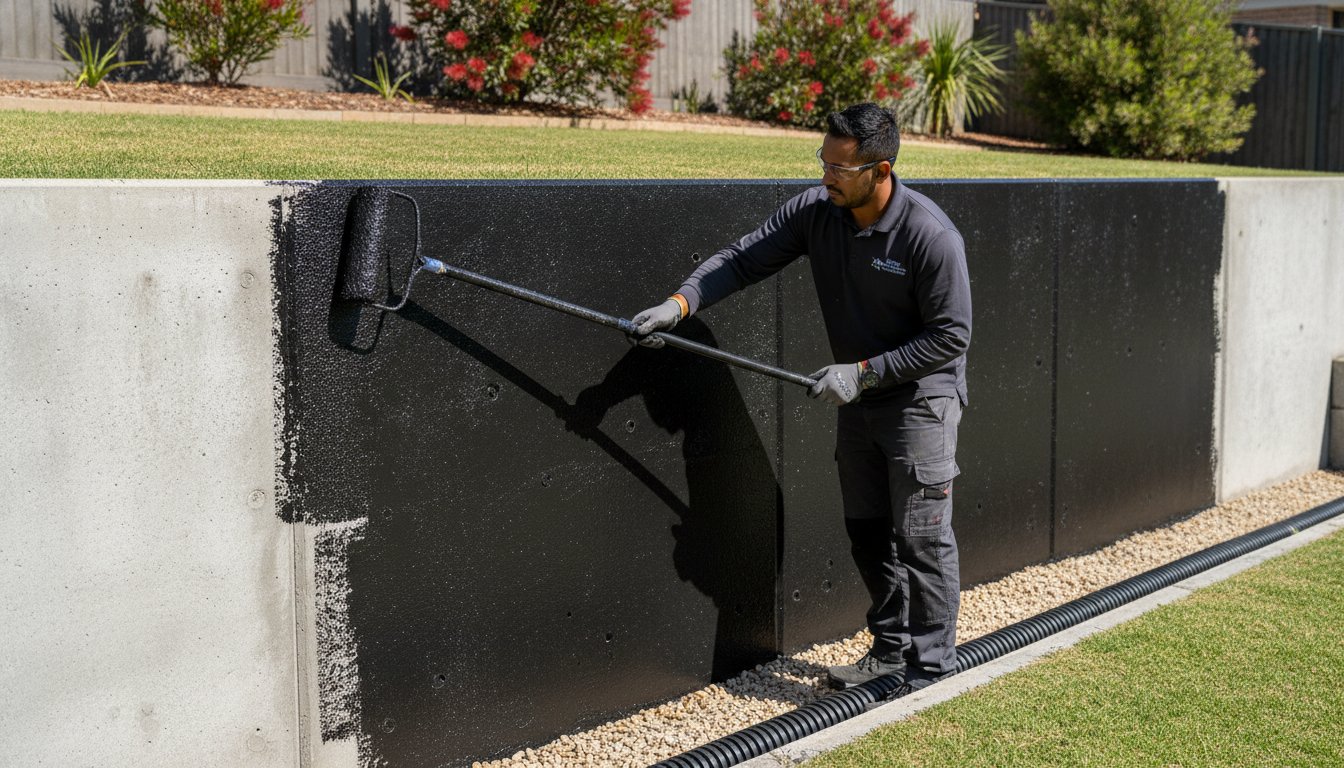
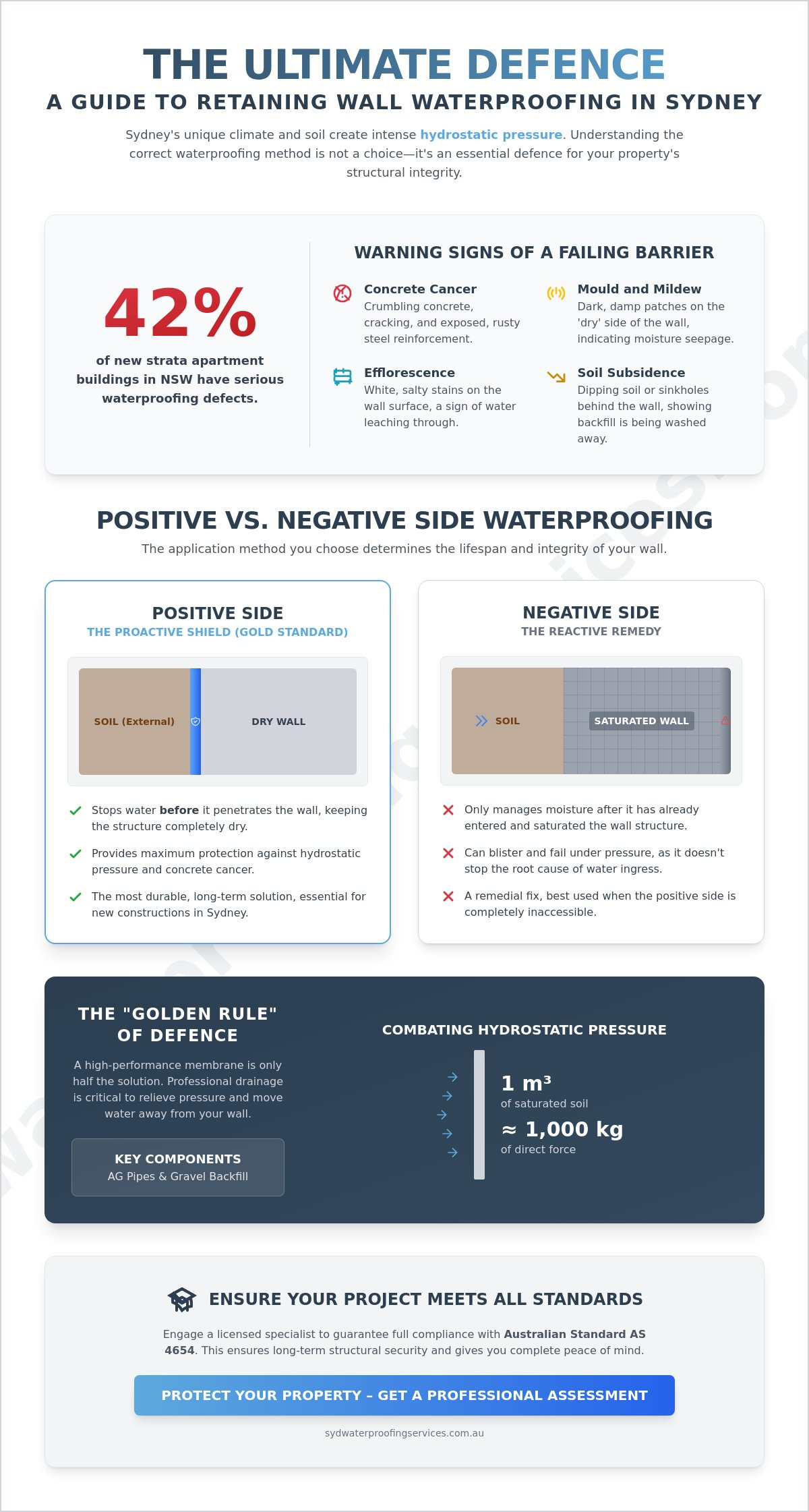
Did you know that 42% of new strata apartment buildings in New South Wales were recently found to have serious waterproofing defects? For homeowners across the city, securing professional retaining wall waterproofing in Sydney is no longer just a cosmetic choice; it’s a vital structural defence. You’ve likely seen the warning signs: unsightly white salty stains ruining your wall’s finish or dampness creeping into subfloors in areas like Seven Hills and Western Sydney. It’s natural to worry about a wall’s integrity during a heavy storm, especially when your driveway or garden is at stake.
This guide provides the definitive roadmap to protecting your property from water ingress and hydrostatic pressure. You’ll learn how to achieve a dry, aesthetically pleasing result that fully complies with the latest NSW building standards and Australian Standard AS 4654. We will break down the essential components of a high-performance system, from advanced membrane selection to the critical role of drainage. By following these professional protocols, you can ensure your retaining walls remain dry and structurally sound, providing the long-term peace of mind every property owner deserves.
Key Takeaways
- Understand how Sydney’s unique rainfall patterns create intense hydrostatic pressure that requires a robust, multi-layered defence strategy.
- Learn why positive-side retaining wall waterproofing sydney is the gold standard for blocking moisture ingress before it ever reaches the structure.
- Discover the specific performance differences between liquid-applied and sheet membranes to determine the most durable solution for your property.
- Master the “Golden Rule” of wall stability by integrating professional drainage systems, such as AG pipes and gravel backfill, to move water away from the barrier.
- Ensure your project meets strict NSW compliance standards and Australian Standard AS 4654 by engaging a licensed specialist for long-term structural security.
Why Waterproofing Your Sydney Retaining Wall is Non-Negotiable
Professional retaining wall waterproofing is the application of a specialised, high-performance barrier designed to prevent soil moisture from penetrating a structure. Retaining walls are fundamental to managing Sydney’s undulating terrain, but without a definitive seal, they quickly become liabilities. The “Sydney Factor” cannot be ignored. Our city experiences heavy seasonal rainfall that saturates reactive clay soils, creating immense pressure against backyard and boundary walls. Without expert retaining wall waterproofing sydney homeowners often face a slow, expensive degradation of their property’s structural integrity.
Neglecting this protection leads to a cascade of failures. You’ll see efflorescence, those white, salty stains that ruin the aesthetic of stone or masonry. More seriously, moisture ingress triggers “concrete cancer” where internal steel reinforcement rusts and expands, causing the concrete to crack and spall. For timber structures, water saturation leads to rapid rot. Beyond the physical damage, a lack of professional waterproofing impacts your bottom line. In the current Sydney market, savvy buyers look for a certified waterproofing certificate. It’s a hallmark of a well-maintained home and a requirement for long-term structural peace of mind.
Understanding Hydrostatic Pressure
Water is heavy, weighing approximately 1,000kg per cubic metre. When soil behind your wall becomes waterlogged, this weight translates into hydrostatic pressure. This force pushes directly against the structure, often leading to visible bowing or structural cracking. While weep holes are necessary for drainage, they don’t protect the wall’s face from absorbing moisture. There’s a critical difference between simple dampness and active water seepage; the latter indicates a total failure of the barrier system that requires immediate intervention.
Common Signs of Failure in Sydney Walls
Identifying failure early saves thousands in remedial costs. Look for these red flags:
- Concrete Cancer: Chunks of concrete breaking away from masonry or sleepers, often revealing rusted steel reinforcement.
- Mould and Mildew: Dark patches appearing on the “dry” side of the wall, indicating that water is migrating through the substrate.
- Soil Subsidence: Small sinkholes or dipping soil levels directly behind the wall, suggesting that water is washing away the backfill.
If you notice these signs, the barrier has likely been breached. Securing expert retaining wall waterproofing sydney is the only way to halt this damage and restore the defensive shield your property requires.
Positive vs. Negative Side Waterproofing: Which Does Your Wall Need?
The choice between positive and negative side application is a decision that determines the lifespan of your structure. Positive side waterproofing involves applying a specialised membrane to the face of the wall that directly contacts the soil. This is the gold standard for retaining wall waterproofing sydney projects. By stopping water before it ever enters the substrate, you prevent the structural decay and concrete cancer that often plague unprotected walls. In contrast, negative side waterproofing is applied to the visible, “dry” face of the wall. While it serves a specific purpose in remedial work, it’s inherently a reactive measure rather than a proactive shield.
In Western Sydney, where reactive clay soils are prevalent, positive side application is a priority for any new build. These heavy clay soils expand significantly when wet, holding moisture against the wall for extended periods and creating intense hydrostatic pressure. Negative side sealers often struggle in these high-pressure environments. If water is allowed to saturate the wall itself, the resulting pressure can eventually push the internal sealer off the surface, leading to “blistering” and total failure. Relying solely on negative side solutions in these conditions is often a short-term fix for a long-term problem.
The Benefits of Positive Side Application
This method offers superior protection by keeping the entire wall structure dry. It shields the substrate from water absorption and the damaging effects of ground chemicals. By creating an external barrier, you also prevent corrosive salts from entering the concrete or mortar joints, which stops efflorescence before it starts. This is the ideal approach for new landscape projects where the rear of the wall is still exposed. For those planning a new build, investing in professional retaining wall waterproofing at the construction stage is the most cost-effective way to avoid future remedial expenses.
When to Use Negative Side Sealing
Negative side sealing is typically reserved for remedial scenarios where excavation is impossible. This often occurs when a wall is located directly on a neighbouring property boundary or beneath existing structures. In these cases, we use advanced crystalline growth sealers. These products penetrate the concrete and react with moisture to form insoluble crystals, blocking pores from the inside out. However, property owners must manage their expectations. This is a secondary line of defence; it manages the symptoms of water ingress but does not stop the wall itself from being saturated by groundwater.
Selecting the Right Waterproofing Membrane for Sydney Conditions
Choosing a membrane for retaining wall waterproofing sydney isn’t a one-size-fits-all process. The effectiveness of the barrier depends entirely on matching the material to the specific site conditions and the structural design of the wall. In New South Wales, all external waterproofing products must comply with AS 4654.2. This standard ensures the membrane can handle the physical stresses of an outdoor environment, including thermal expansion and constant moisture exposure. Professional installation focuses on three primary material categories: liquid-applied membranes, sheet membranes, and specialised bentonite liners.
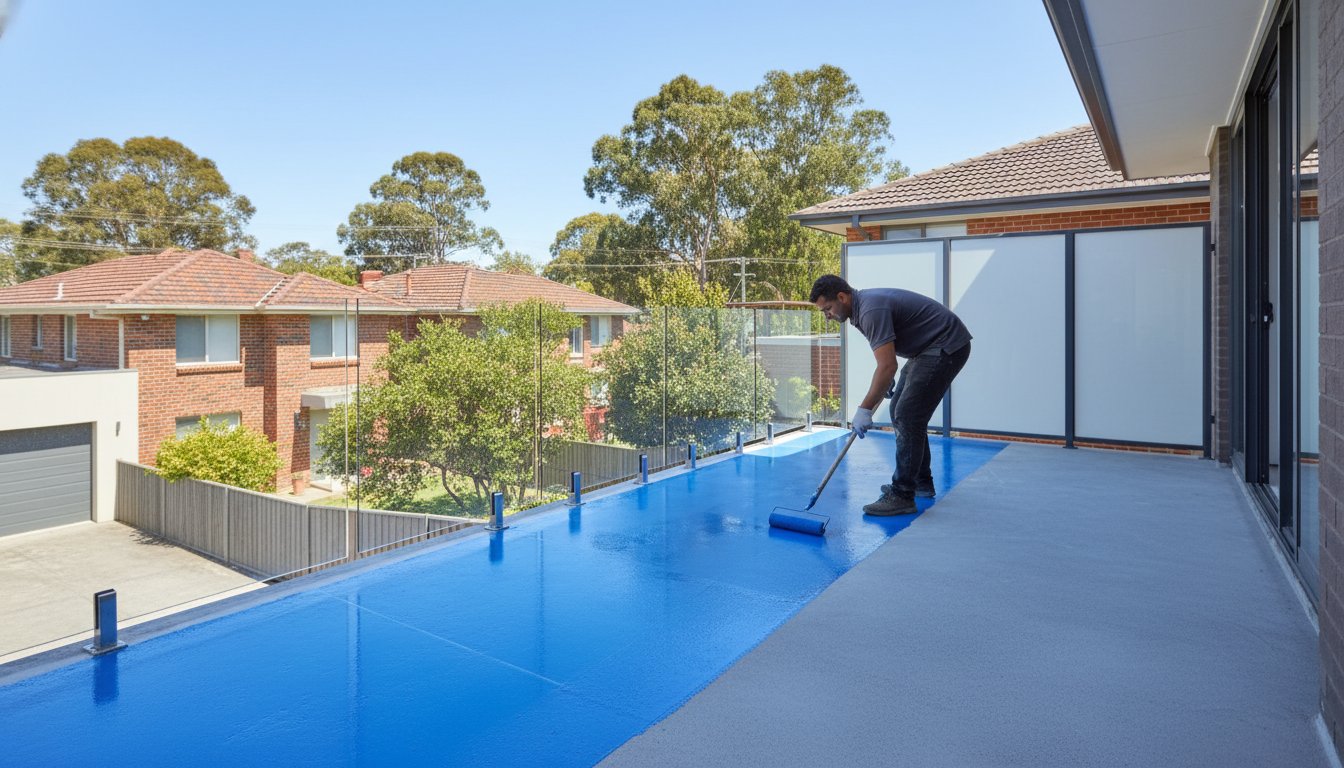
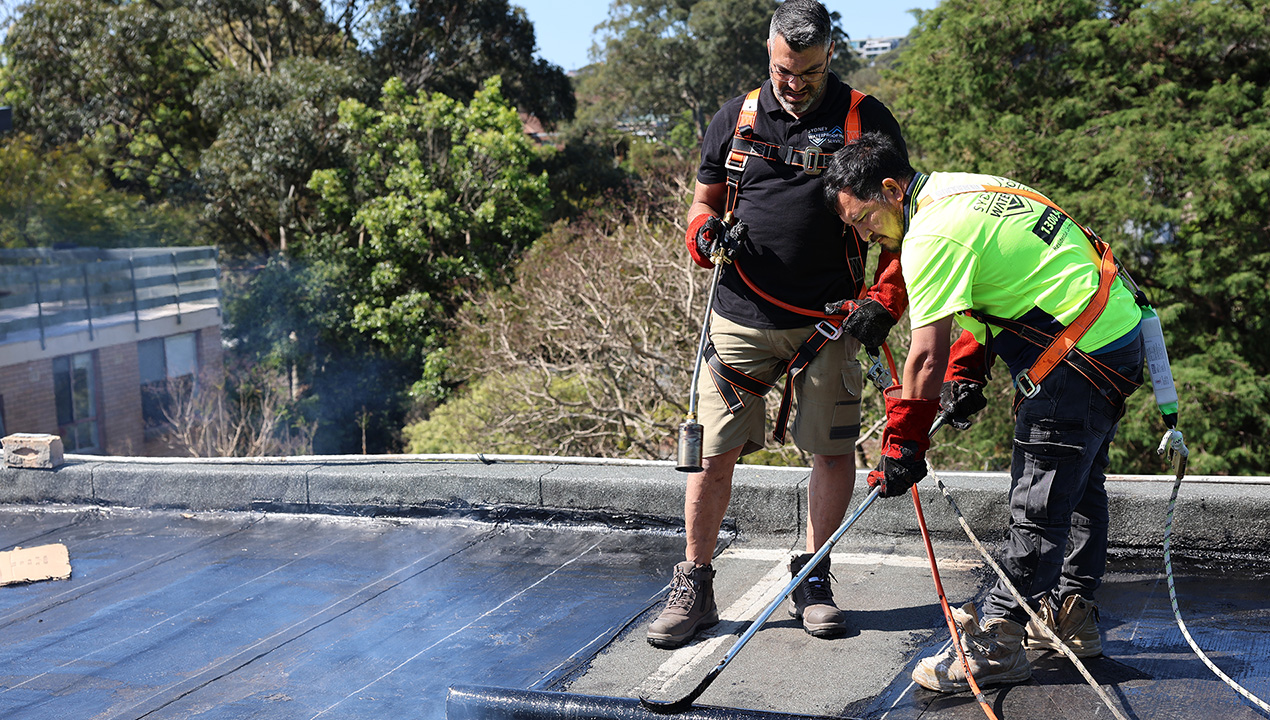
Liquid-applied membranes are highly favoured for residential garden walls and planter boxes. These products are applied as a fluid that cures into a seamless, rubber-like skin. Because there are no joins or laps, they are ideal for complex wall shapes or structures with multiple penetrations. For large-scale commercial retaining walls or heavy-duty civil works, bitumen-based sheet membranes, often called “torch-on,” remain the industry standard. These provide a robust, thick layer of protection that is exceptionally resistant to mechanical damage during the backfilling process. Owners of commercial properties should also consider how these same principles apply to broader asset protection strategies, as detailed in our guide to commercial waterproofing sydney and long-term structural asset protection. In high-moisture zones, particularly near the Parramatta River or low-lying coastal areas, we often utilise bentonite clay liners. These liners are unique. They are “self-healing” because the clay swells upon contact with water to seal small punctures or cracks automatically.
Liquid vs. Sheet Membranes
Liquid membranes offer excellent bond strength and are easy to detail around corners. However, they require precise application to ensure a consistent dry film thickness. Sheet membranes provide a factory-guaranteed thickness but rely heavily on the integrity of the heat-welded seams. When selecting between them, consider the surrounding landscape. If the wall is near large trees or hedges, you must specify a root-rated membrane. These materials contain chemical inhibitors that prevent roots from puncturing the barrier. UV resistance is another factor. While most retaining wall membranes are buried, the top “termination” edge remains exposed to Sydney’s harsh sun and must resist solar degradation. If your property also features a flat roof or elevated deck, understanding how UV exposure affects membrane performance is equally critical — the same principles that apply here are explored in detail in our guide to rooftop waterproofing sydney systems and long-term UV durability.
Chemical Resistance and Soil Types
Sydney’s diverse geology significantly impacts membrane longevity. Coastal properties often deal with sandy, saline soils that can accelerate the corrosion of unsealed masonry. Conversely, the acidic soils found in parts of the Hills District or the alkaline conditions in other regions can chemically attack inferior waterproofing products. High elongation capacity is vital for membranes used on Sydney’s reactive clay soils because it allows the barrier to stretch and contract without rupturing as the ground shifts. Using a membrane with a high elasticity rating ensures the defensive seal remains intact even when the reactive clay puts immense physical strain on the structure.
The Critical Role of Drainage and AG Lines in Wall Stability
Effective retaining wall waterproofing sydney relies on a simple but absolute “Golden Rule”: the membrane blocks the moisture, but the drainage system moves it away. These two components must work in perfect unison to protect the structure. While the membrane provides the primary shield, the drainage system acts as a relief valve for hydrostatic pressure. Without a clear path for water to escape, pressure builds up behind the wall, eventually testing even the highest-quality waterproofing barrier to its breaking point. In the Sydney metropolitan area, it is also a legal requirement to ensure your wall drainage connects correctly to the council-approved stormwater system to prevent water runoff from affecting neighbouring properties.
A professional drainage configuration consists of three essential elements: the agricultural (AG) pipe, the aggregate backfill, and the geofabric filter. The AG pipe is a perforated tube designed to collect groundwater and channel it toward a discharge point. To facilitate this, we surround the pipe with free-draining aggregate, typically blue metal or recycled concrete. Geofabric is the secret weapon in this assembly. It acts as a high-tech filter that allows water to pass into the aggregate while blocking fine silt and soil particles. Without geofabric, your drainage lines will eventually clog with sediment, rendering the entire system useless and leaving your wall vulnerable to saturation.
Step-by-Step Drainage Installation
Professional installation starts at the very base of the wall. We place the AG pipe at the footing level, ensuring a consistent fall toward the stormwater connection point. The pipe is then covered with a minimum of 300mm of clean aggregate to create a high-flow drainage zone. Finally, the entire aggregate column is wrapped in geofabric. This “burrito” wrap technique ensures the system remains free of silt for decades, providing long-term structural security for your backyard or boundary wall.
Managing Surface Runoff
Directing water away from the top of the wall is just as important as managing groundwater. We often recommend using swales or spoon drains to divert surface runoff before it has a chance to soak into the backfill. Additionally, we always install a heavy-duty protection board over the waterproofing membrane. This board acts as a physical guard, preventing sharp rocks or equipment from puncturing the seal during the backfilling process. If your existing structure is already showing signs of moisture ingress, you may require Remedial Waterproofing Sydney to fix these underlying drainage and membrane failures. To ensure your property remains dry and stable, contact us for a professional drainage and waterproofing assessment today.
Professional Remedial Waterproofing: Protecting Your Sydney Property
While new builds offer the best opportunity for preventative sealing, many homeowners only discover issues when their existing structures fail. Attempting DIY retaining wall waterproofing sydney often leads to disappointment within the first two storm seasons. Surface-level paints or hardware store sealers lack the chemical resilience to withstand the hydrostatic pressure discussed earlier in this guide. Engaging a licensed waterproofer is the only way to secure the insurance, warranties, and NSW compliance required for high-stakes structural work. In New South Wales, any residential building work exceeding $5,000 must be performed by a licensed contractor, providing you with legal protection and professional accountability.
Our remedial process is methodical and disciplined. It begins with a thorough site inspection, perhaps at a residence in Seven Hills or across Western Sydney, to identify the exact point of ingress. We don’t just patch the leak; we address the root cause, whether that involves clearing blocked AG lines or applying advanced crystalline injection systems. The final stage often involves professional joint sealing sydney to ensure every gap is defended against future moisture. This comprehensive approach transforms a failing, damp structure into a dry, stable asset that preserves your property’s value.
Why Experience Matters in Sydney
Local expertise is essential for navigating specific Council requirements and building codes. For instance, retaining walls over certain heights in Sydney typically require certification to ensure they meet safety standards. Beyond structural stability, we understand the importance of aesthetics. Our team also provides Tiling Services Sydney to ensure your remedial project looks as good as it performs. We recently saved a failing masonry wall in Western Sydney by using targeted remedial injection to block water from the negative side, avoiding the massive cost of total excavation and rebuild.
Next Steps for Your Project
Don’t wait for the next heavy downpour to test your wall’s integrity. Catching leaks early through an annual inspection can save thousands in structural repairs. Look for signs of dampness, new cracks, or salt buildup on the wall face. When you’re ready to proceed, organise a professional site assessment to determine the most effective path forward. A professional quote should always include detailed material specifications and a clear drainage plan rather than vague descriptions. Take the first step toward long-term structural peace of mind. Contact Sydney Waterproofing Services today for a no-obligation quote and protect your investment with the authority of a seasoned specialist.
Defend Your Property Against Water Damage Today
Securing your home requires more than a temporary fix. It demands a “defence-in-depth” strategy that combines high-performance membranes with robust drainage systems. By selecting AS 4654.2 compliant materials and ensuring your AG lines are correctly wrapped in geofabric, you prevent the hydrostatic pressure that leads to structural failure. Professional retaining wall waterproofing sydney is an investment in the long-term preservation of your assets; it ensures your backyard or boundary walls remain dry, stable, and aesthetically pleasing for decades.
Our team consists of fully licensed and insured NSW waterproofers who specialise in both comprehensive remedial repairs and new-build solutions. Whether you’re managing a project in Seven Hills or anywhere across Greater Sydney, we provide the technical expertise needed to handle our city’s challenging soil conditions. Don’t leave your property’s integrity to chance. Secure your property with Sydney’s retaining wall experts – Get a Quote. Taking action now provides the peace of mind that your home is shielded against the next heavy storm season.
Frequently Asked Questions
Do I really need to waterproof a concrete sleeper retaining wall?
Yes, concrete sleeper walls require protection because concrete is a porous material. Without a professional barrier, moisture penetrates the sleeper and reaches the internal steel reinforcement, causing it to rust and expand. This process leads to spalling, commonly known as concrete cancer, which compromises the sleeper’s structural integrity over time. Applying a high-quality membrane ensures your sleepers remain durable and visually clean for the long term.
Can I waterproof a retaining wall from the front side?
You can waterproof from the front side using negative-side pressure sealers, though it’s not the preferred method for new structures. This approach is typically reserved for remedial situations where the soil side is inaccessible due to neighbouring buildings or property boundaries. While front-side application prevents visible dampness and mould, it doesn’t stop the wall substrate itself from becoming saturated. For new builds, always prioritise sealing the side in contact with the soil.
How much does it cost to waterproof a retaining wall in Sydney?
The total investment for retaining wall waterproofing sydney depends on several variables, including the wall’s surface area, the complexity of the site, and the specific membrane system required. Factors such as site access for excavation and the condition of the existing substrate also influence the final price. Because every project has unique structural demands and drainage requirements, a site-specific assessment is the only way to determine a compliant and effective solution for your property.
What is the best waterproofing membrane for a garden retaining wall?
A high-quality liquid-applied membrane is often the best choice for garden retaining walls and planter boxes. These systems create a seamless, flexible skin that easily contours to corners and joins, which are the most common failure points in garden structures. It’s essential to ensure any product used is root-rated and complies with Australian Standard AS 4654 to withstand the constant moisture and biological pressure of garden soil.
How long does professional retaining wall waterproofing last?
Professional retaining wall waterproofing should last between 10 and 20 years when installed correctly and paired with an effective drainage system. The actual lifespan depends heavily on the quality of the membrane and the protection of the barrier during the backfilling process. Using a heavy-duty protection board and ensuring the AG pipes remain clear of silt are essential steps to maximise the durability of your waterproofing investment.
Is a waterproofing certificate required for retaining walls in NSW?
A waterproofing certificate is required in NSW for residential building work valued over $5,000. This documentation confirms that the installation complies with the National Construction Code and relevant Australian Standards. It’s a critical piece of paperwork for local council approvals and is frequently requested by buyers during property resales to prove the structural integrity and professional maintenance of the site’s retaining elements.
Will waterproofing stop the white salt stains on my bricks?
Yes, professional waterproofing is the most effective way to stop white salt stains, known as efflorescence, from appearing on your bricks or masonry. These stains occur when water migrates through the wall, dissolving minerals and depositing them on the surface as the water evaporates. By blocking moisture ingress at the source, you eliminate the transport mechanism for these salts, keeping your wall’s finish clean and aesthetically pleasing.
How do I know if my retaining wall drainage is blocked?
You can identify blocked drainage by looking for water pooling at the base of the wall or observing “weeping” moisture on the wall’s face rather than through designated discharge points. If the soil behind the wall remains soggy long after rain has stopped, the AG pipe or aggregate backfill may be clogged with sediment. Identifying these signs early is vital to prevent the buildup of hydrostatic pressure that causes structural bowing or cracking.