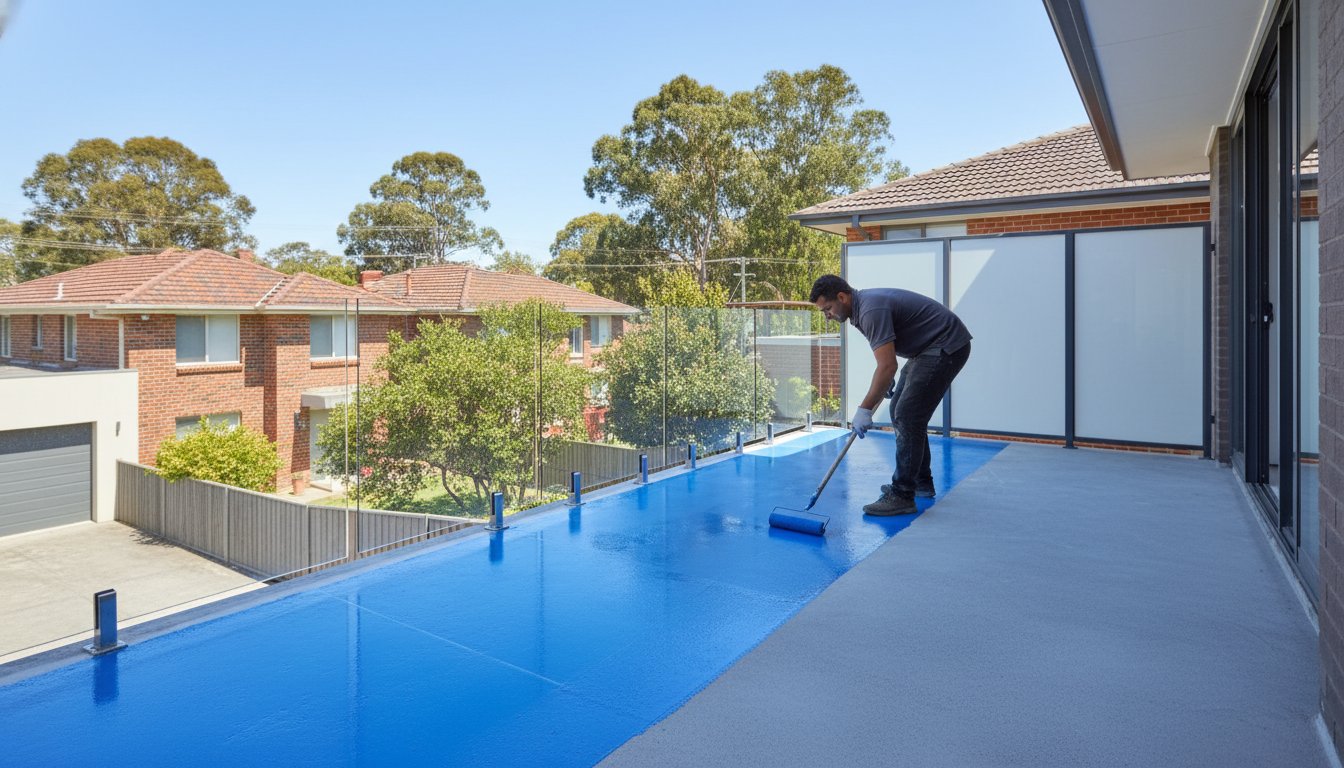
In Sydney, a leaking balcony isn’t just a minor inconvenience; it’s a structural liability that can devalue your property by tens of thousands of dollars overnight. You’ve likely heard conflicting advice about whether a quick DIY patch-up is enough or if you need a full tear-out. It’s stressful to manage NSW building compliance while worrying if your home will survive the next intense rain season. Understanding the professional balcony waterproofing process is the only way to ensure your investment remains protected against the city’s increasingly volatile weather patterns.
We understand that you want a permanent solution that satisfies both your peace of mind and the strict 2026 Australian Standards. This guide provides the technical clarity you need to master the process, ensuring your balcony stays bone-dry for decades and qualifies for a valid Waterproofing Certificate. We will break down the essential stages of a compliant installation, from the mandatory 1:100 drainage falls to the critical 24-hour flood testing required by modern regulations. By the end of this guide, you’ll know exactly how to defend your home against moisture ingress with the authority of a seasoned expert.
Key Takeaways
- Understand the strict requirements of AS 4654.2-2012 and why documented compliance is essential for your property’s insurance and long-term value.
- Learn how the balcony waterproofing process begins with correct substrate preparation and a mandatory 1:100 drainage fall to eliminate water ponding.
- Identify the critical role of bond breakers and precision detail-sealing at junctions to ensure your membrane survives natural structural movement.
- Discover why the curing window and a 24-hour flood test are non-negotiable steps to verify a watertight seal before any tiling commences.
- Recognise the early warning signs of membrane failure, such as calcium deposits or cracked grout, and when to seek professional remedial intervention.
Australian Standards and the Importance of a Correct Process
The professional balcony waterproofing process is a defensive shield for your property. It is a systematic application of high-performance barriers designed to prevent water ingress into the structural slab of a building. While waterproofing is a broad construction discipline; external balconies require a specialised approach due to their constant exposure to the elements. Unlike a bathroom, which stays at a relatively consistent temperature, a balcony is a high-risk area that must endure direct sunlight, heavy rain, and significant structural movement.
In Australia, all external waterproofing must strictly adhere to AS 4654.2-2012. This standard governs the design and installation of membranes for external above-ground use. The 2026 updates to these regulations have introduced even stricter requirements for documentation and material durability. In New South Wales, following these standards is a legal necessity. For residential work, a licensed professional must issue a Waterproofing Certificate. This document is essential for satisfying the Design and Building Practitioners (DBP) Act and is often a mandatory requirement for home insurance policies and strata compliance.
Why Sydney Balconies Fail
Sydney’s climate is notoriously harsh on building surfaces. The city’s rapid thermal cycles, where a scorching afternoon is often followed by a cool evening breeze, cause concrete slabs to expand and contract. If a membrane lacks the necessary elasticity, it will simply tear. Coastal properties face the additional challenge of salt air, which can degrade inferior materials and accelerate the corrosion of steel reinforcements if moisture reaches the slab. Many “cowboy” contractors attempt to cut costs by skipping the primer or ignoring the mandatory drainage falls. These shortcuts lead to water ponding, which eventually forces its way through even the smallest membrane defect.
The Role of a Licensed Professional
A “handyman” fix often involves a topical sealer that provides a false sense of security. In contrast, a certified waterproofer views the project as a multi-stage system. This system includes a specialised primer to ensure adhesion, a high-durability membrane, and specific protection layers. Engaging a licensed specialist is the only way to protect your home insurance policy. Most insurers will reject claims for water damage if they find the balcony waterproofing process was performed by an unlicensed individual. A professional ensures every detail, from bond breakers to drainage ratios, meets the 2026 standards for maximum durability and peace of mind.
Phase 1: Substrate Preparation and Creating the Fall
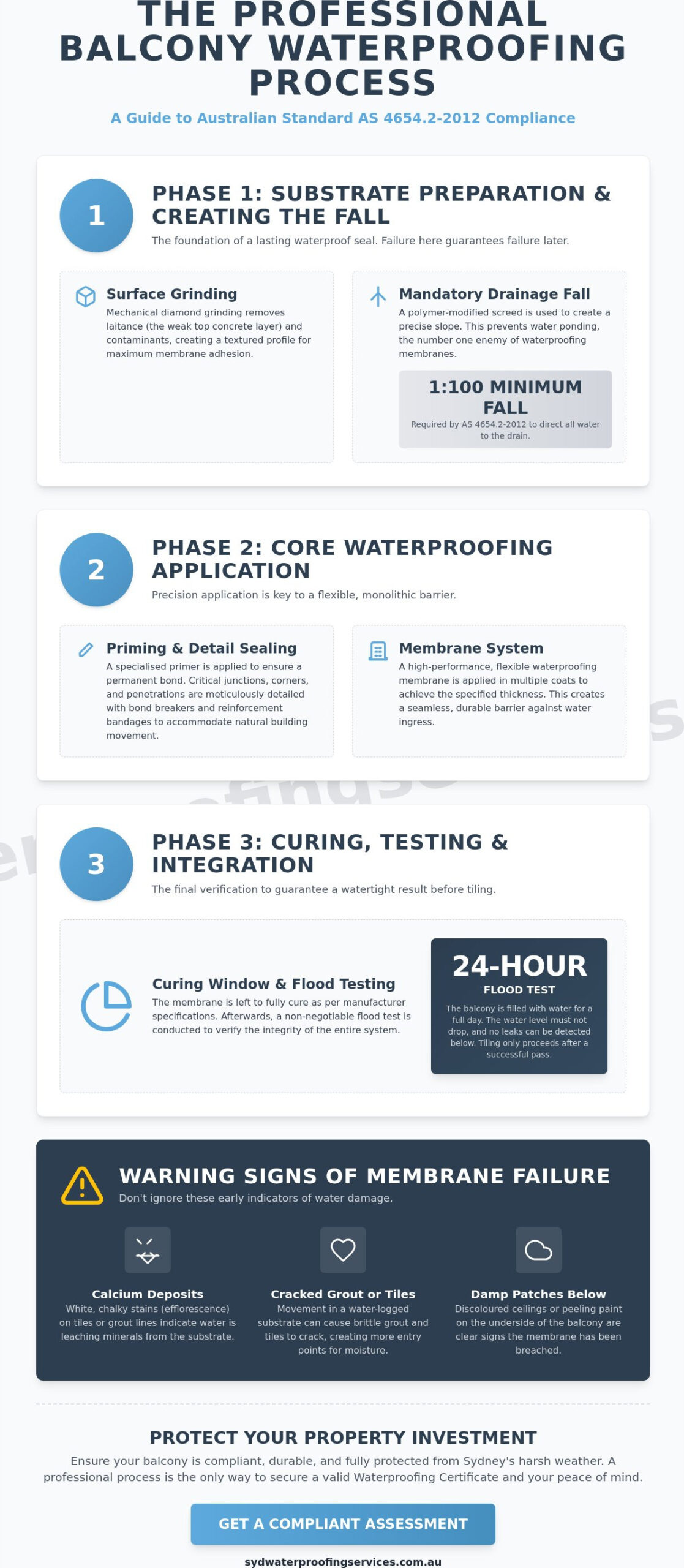
Preparation is the most critical stage of the professional balcony waterproofing process. If the foundation is flawed, even the highest quality membrane will eventually delaminate or fail. The substrate must be structurally sound and entirely free of contaminants such as oil, dust, or old adhesives that hinder bonding. We achieve this through mechanical diamond grinding. This process removes the weak top layer of concrete, known as laitance, to create a specific surface profile. A textured surface is essential for the membrane to anchor itself permanently to the slab.
During this phase, we also install essential hardware to manage water flow. Drainage flanges and leak control systems are recessed into the substrate so they sit flush with the surface. This prevents water from “damming” around the drain, a common issue in poorly executed projects. By ensuring the hardware is integrated correctly from the start, we create a seamless transition for the liquid membrane to follow later.
Achieving the Perfect Fall
Standing water, often called “ponding,” is the primary cause of premature membrane degradation in Sydney. To prevent this, the balcony must have a minimum fall ratio of 1:100 toward the waste or gutter. We use polymer-modified screeds to build these precise drainage angles. These materials offer superior compressive strength and water resistance compared to standard sand and cement mixes. Before proceeding, we perform a water test to confirm that no stagnant pools remain. If you are concerned about existing water pooling on your deck, a professional review of your balcony and terrace waterproofing requirements can identify if your falls need immediate correction.
Surface Priming and Moisture Checks
We never apply a membrane to a damp slab. We use electronic moisture meters to verify that the concrete moisture content is below 4.5%. Applying a system to a wet substrate is a recipe for catastrophic failure. Once the slab is dry, we select a specific primer based on whether the surface is porous or non-porous. Priming is a non-negotiable step that seals the substrate to prevent “outgassing” bubbles from forming as the membrane cures. This ensures a pinhole-free finish that remains airtight and watertight for its entire service life. Following these disciplined preparation steps is what separates a long-lasting professional installation from a temporary fix.
Phase 2: The Core Waterproofing Application
Precision is paramount during the core application stage. Once the substrate is primed and the falls are verified, we begin the systematic installation of the waterproof barrier. This phase of the balcony waterproofing process focuses on creating a continuous, flexible shield that can withstand both hydrostatic pressure and structural shifts. We follow a strict five-step sequence to ensure the installation meets the 2026 Australian Standards for durability and compliance.
- Step 1: Installation of Bond Breakers. We apply specialised bond breakers at all wall-to-floor junctions and internal corners. These allow the membrane to stretch without tearing when the building moves.
- Step 2: Detail-Sealing of Penetrations. Every balustrade post, floor drain, and pipe penetration is sealed with high-performance detailing compounds. These are the most common points of failure in inferior installations.
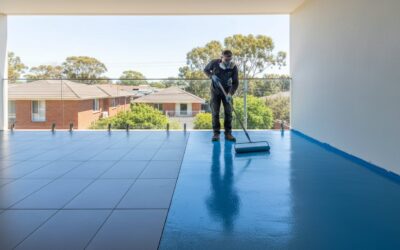
- Step 3: First Membrane Coat. We apply the initial layer of the chosen membrane, ensuring even coverage across the entire balcony surface and up the vertical walls to the required termination height.
- Step 4: Embedding Reinforcing Fabric. While the first coat is still wet, we embed a high-strength polyester reinforcing fabric into all junctions and over any existing cracks. This adds a critical layer of structural integrity.
- Step 5: Final Coat Application. The final layer is applied to achieve the mandatory Dry Film Thickness (DFT). We measure this thickness carefully to ensure the system provides a robust defense against Sydney’s heavy rain seasons.
The Science of Bond Breakers
A common mistake in DIY or “handyman” work is sticking the membrane directly into a corner. Buildings are dynamic structures that expand and contract. Without a bond breaker, the membrane is forced to move with the joint, which inevitably leads to cracking and leaks. We utilise silicone beads or specialised joint tapes to create a “bridge” over the junction. This allows the membrane to move independently of the joint; it stretches like a rubber band rather than snapping. This small but vital detail is a core requirement of AS 4654.2 and is essential for a valid compliance certificate.
Liquid vs. Sheet Membranes
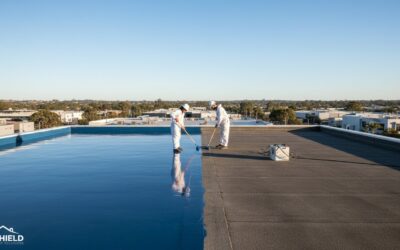
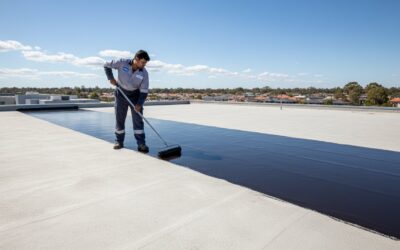
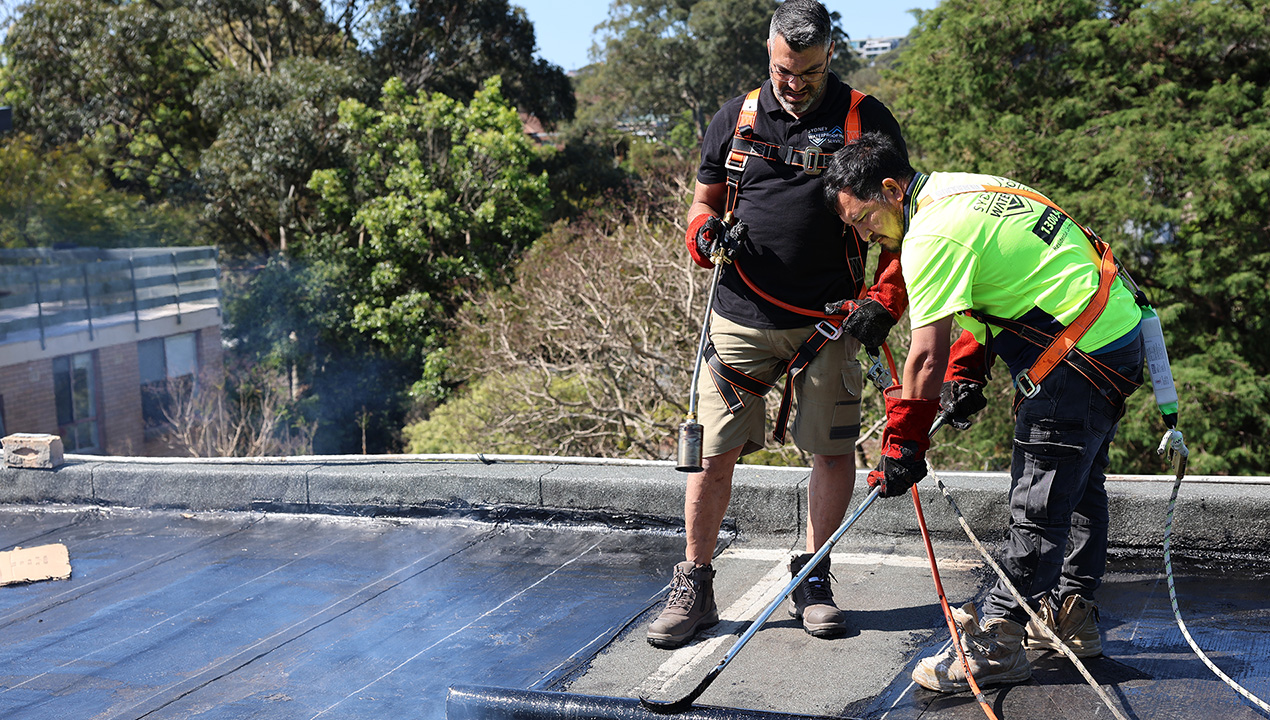
Choosing the right material is a strategic decision based on the balcony’s size and exposure. Sheet membranes, often called torch-on bitumen, offer high durability and are frequently used for large commercial rooftops. However, they feature multiple laps and seams that can become weak points over time. Liquid-applied polyurethane is often considered the “gold standard” for residential Sydney balconies. It creates a seamless, monolithic skin that conforms perfectly to complex shapes and penetrations. Modern polyurethanes are highly elastic and UV-resistant, making them the superior choice for the professional balcony waterproofing process in our local climate.
Phase 3: Curing, Testing, and Tiling Integration
The work doesn’t end when the final coat of membrane is applied. In the professional balcony waterproofing process, the curing and testing phases are where long-term reliability is confirmed. Rushing this stage is a primary cause of future remedial failure. A standard curing window of 24 to 48 hours is mandatory, though this can vary depending on Sydney’s humidity and temperature levels. During this time, the “no boots” rule is strictly enforced. No other trades should access the area. A single dropped tool or a grit-heavy boot can puncture the fresh membrane and compromise the entire system before it has reached its full chemical strength.
Protecting the membrane is a shared responsibility on a worksite, but the waterproofer must lead the way. We often use temporary protection boards if other essential works must continue nearby. However, the best practice is to leave the area completely undisturbed. This patience ensures the membrane forms a monolithic, high-density skin that is ready for the most rigorous part of the balcony waterproofing process: the verification of the seal.
The Importance of Flood Testing
Before a single tile is laid, we perform a 24-hour flood test. This is the only definitive method to guarantee a 100% seal. We plug the balcony drains and fill the area with water to a depth of approximately 25mm at the highest point. After a full day, we inspect the soffit, which is the underside of the balcony slab, for any signs of dampness, moisture tracking, or drips. If the soffit remains bone-dry, the system is verified. This step is non-negotiable for high-stakes remedial waterproofing sydney projects where previous failures have already caused structural damage to the building’s skeleton.
Tiling Over the Membrane
The integration of tiles must be handled with extreme care to avoid puncturing the barrier during installation. We utilise the “sandwich” method, which involves placing the membrane both under and over the screed for maximum protection. Selecting compatible tile adhesives is critical. You must use polymer-modified adhesives that are specifically designed to bond with the membrane without causing a chemical reaction that could lead to delamination. To prevent efflorescence, those unsightly white salt stains, we ensure the drainage system is fully functional and the grout is a high-quality, water-repellent variety. If you are ready to complete your project with a professional finish, our team provides expert tiling services designed to work seamlessly with your new waterproof barrier.
Professional Remedial Waterproofing: When the Process Fails
When the initial balcony waterproofing process is compromised, the results are rarely invisible for long. You might notice fine cracks in the grout lines or white, chalky calcium deposits leaching from the edges of the slab. These deposits, known as efflorescence, indicate that water is travelling through the bedding and dissolving minerals along the way. If left unaddressed, these minor aesthetic issues quickly escalate into structural threats. If you are seeing bubbling paint, calcium stains, or cracked grout and need to fix a leaking balcony in Sydney with a compliant, permanent solution, understanding the root cause is the essential first step. We specialise in identifying these failures early to prevent total balcony collapse or interior water damage that can ruin your home’s finishes.
We differentiate between “Positive Side” and “Negative Side” waterproofing. Positive side application involves placing the barrier on the side of the structure directly exposed to water, which is the gold standard for every project. Negative side waterproofing attempts to stop water from the interior or underside once it has already entered the slab. While negative side solutions have specific uses, they are often a secondary defense. Many property owners turn to clear surface sealers as a quick fix, but these are merely temporary bandages. They don’t address the underlying structural movement or the failed membrane hidden beneath your tiles.
The Cost of Cutting Corners
Neglecting a failing balcony leads to severe structural consequences that are expensive to rectify. Persistent leaks cause structural timber rot in framed balconies and “concrete cancer” (spalling) in masonry slabs. As the steel reinforcement inside the concrete rusts, it expands, causing the concrete to crack and flake away. Rectifying these issues is far more expensive than following a correct balcony waterproofing process from the start. For total property protection, we often recommend a similar high-standard retaining wall waterproofing sydney approach to ensure that moisture doesn’t undermine your home’s foundation or garden structures.
Get a Certified Sydney Professional
Our team takes a no-nonsense approach to remedial work across Seven Hills and the Greater Sydney region. We don’t believe in guesswork or superficial repairs. Our comprehensive remedial report details the exact cause of the failure and provides a clear, step-by-step restoration plan. We focus on long-term durability and strict compliance with 2026 Australian Standards to restore the value of your asset and your peace of mind. Don’t wait for a minor leak to become a major structural repair. Request a professional balcony inspection from Sydney Waterproofing Services today to secure your property for the future.
Secure Your Property with Professional Standards
Protecting your Sydney asset requires more than a superficial sealer; it demands a disciplined approach to every structural layer. We’ve established how a compliant balcony waterproofing process integrates meticulous substrate grinding, precise drainage falls, and validated flood testing to defend against structural decay. By insisting on AS 4654.2 compliant installations, you aren’t just fixing a leak. You’re securing the long-term preservation of your building’s skeleton and ensuring your home insurance remains valid.
As remedial specialists since 2016, our certified NSW waterproofers understand the gravity of moisture ingress. We provide the definitive shield your property needs to withstand Sydney’s most volatile weather cycles. Don’t leave your property’s integrity to chance or uncertified repairs. Our team is ready to deliver the results-oriented intervention your balcony deserves.
Book a Certified Balcony Inspection Today
Take the first step toward a leak-free future and gain the peace of mind that only expert intervention can provide. Your property is a significant investment; we’re here to help you defend it.
Frequently Asked Questions
How long does the balcony waterproofing process take from start to finish?
A professional installation typically requires three to five days depending on weather conditions and the complexity of the area. This timeframe allows for substrate preparation, the application of multiple membrane coats, and the mandatory curing periods between layers. We don’t rush this schedule because skipping the 24 to 48 hour curing window can lead to trapped moisture and eventual system failure.
Can I waterproof over my existing balcony tiles?
We do not recommend waterproofing over existing tiles as a long-term solution. For the balcony waterproofing process to be effective and compliant with Australian Standards, the membrane must be bonded directly to a prepared substrate. While topical sealers exist, they are temporary measures that fail to address the underlying structural movement or existing leaks within the slab.
Do I need a council permit for balcony waterproofing in Sydney?
Standard maintenance and remedial waterproofing usually don’t require a council permit; however, Class 2 buildings (apartments) fall under the Design and Building Practitioners (DBP) Act. This legislation requires a “Regulated Design” from a registered practitioner for remedial work. You should always check with your strata committee or local council if you are making structural changes or significantly altering the balcony’s appearance.
How much does it cost to waterproof a balcony in NSW?
The total investment for waterproofing depends on several variables including the balcony’s square metreage, the condition of the existing substrate, and the specific membrane system required. Remedial projects often involve additional costs for tile removal and screed replacement. We provide detailed, transparent quotes after a site inspection to ensure all technical requirements of your specific property are addressed.
What is a bond breaker and why is it mandatory for balconies?
A bond breaker is a specialised tape or sealant bead applied to all floor-to-wall junctions and internal corners. It is a mandatory requirement under AS 4654.2 because it allows the membrane to move independently of the building’s joints. Without a bond breaker, the membrane would be pinned to the corner and would snap or tear as the building naturally expands and contracts during Sydney’s thermal cycles.
How long should a professional balcony waterproofing membrane last?
A high-quality, professionally installed membrane system is designed to last between 10 and 20 years. The actual lifespan depends heavily on the material choice, the quality of the initial balcony waterproofing process, and regular maintenance of the tiles and grout. Systems that adhere to the 2026 updated Australian Standards are engineered for maximum UV resistance and durability in harsh coastal environments.
Is a waterproofing certificate required for my strata balcony?
Yes, a compliance certificate is essential for all strata-titled properties in New South Wales. This document confirms that the work was performed by a licensed professional in accordance with AS 4654.2. Strata managers and insurers require this certificate to maintain the building’s warranty and to ensure that any future water damage claims are processed without complication.
What happens if it rains during the waterproofing process?
Work must stop immediately if rain occurs before the membrane has fully cured. Moisture on the substrate prevents the membrane from bonding correctly, which can lead to delamination and bubbles. Our teams monitor local weather patterns closely and utilise industrial-grade covers to protect the area if there is a risk of rain during the critical application or curing phases.