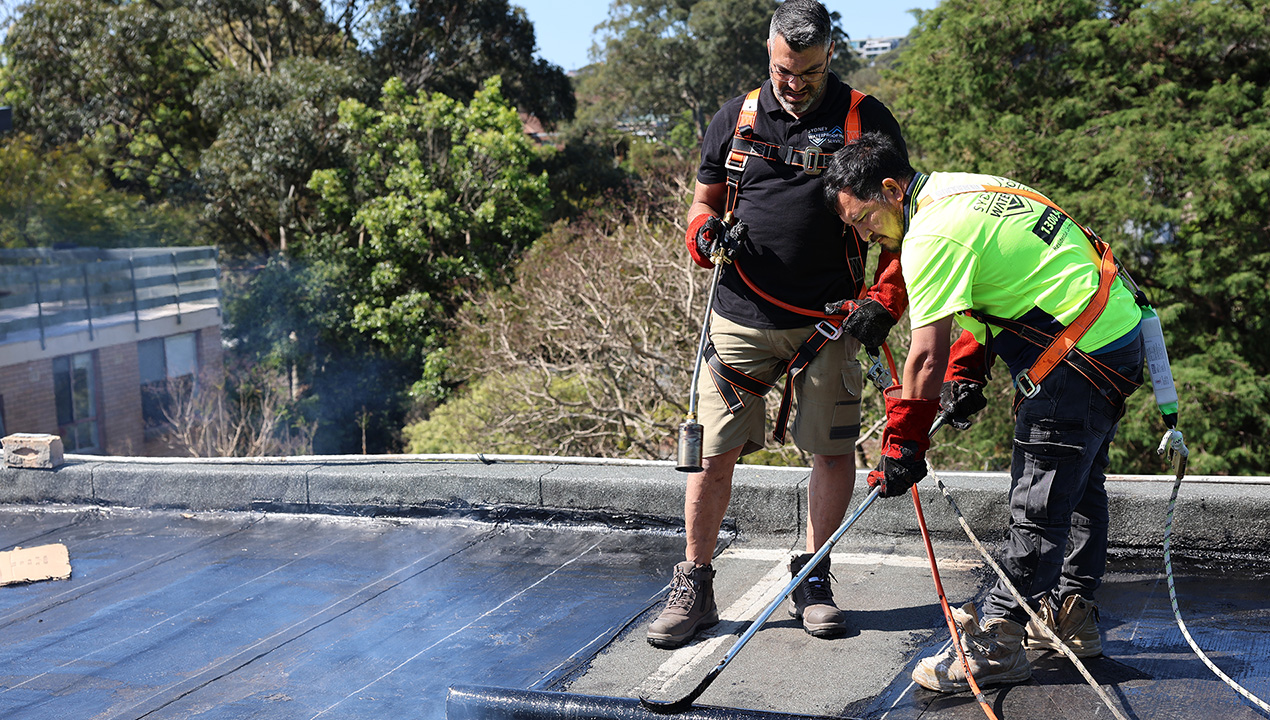
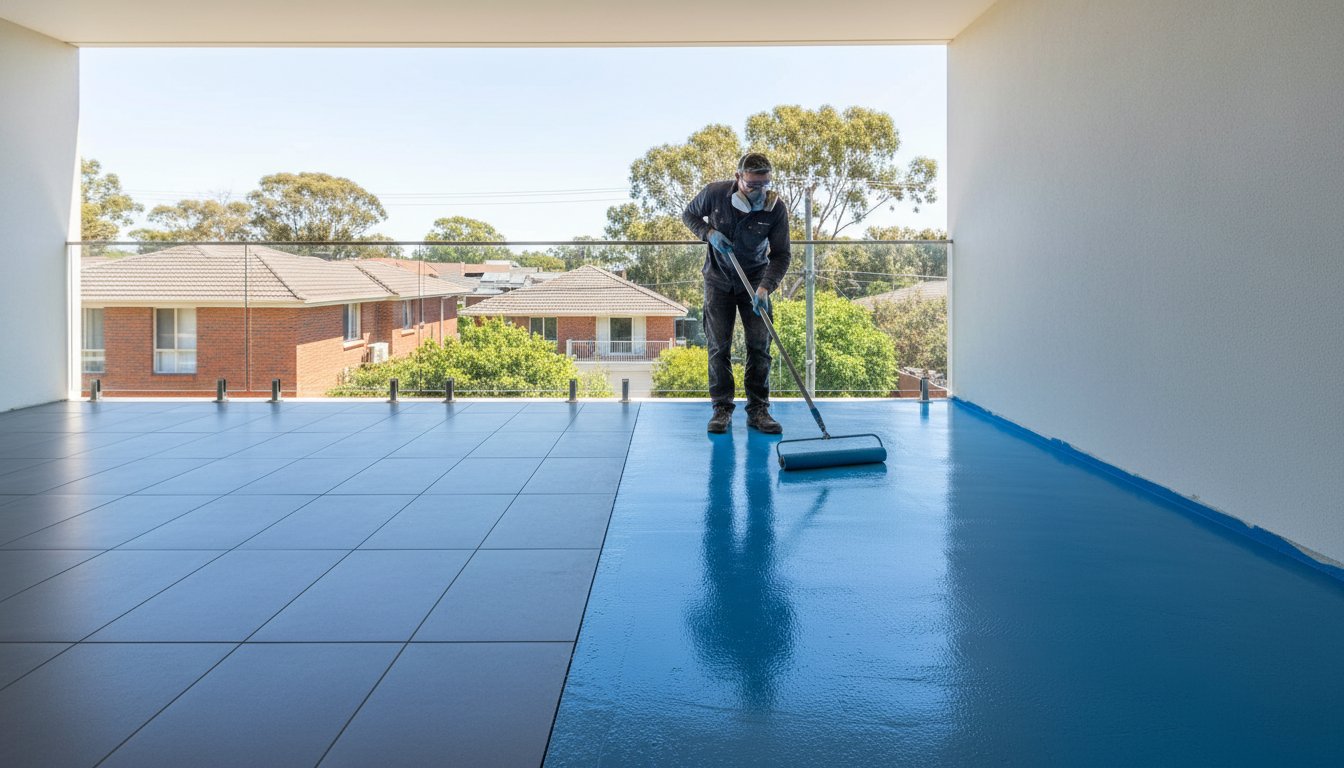
A leaking balcony isn’t just a cosmetic nuisance; it’s a structural liability that can silently devalue your entire property. If you’ve noticed bubbling paint, calcium stains, or cracked grout, you’re likely facing the early stages of a failure that requires more than a hardware store sealant. To fix leaking balcony sydney issues permanently, you need a strategy that addresses the root cause while navigating the complex regulatory landscape of 2026.
We understand the frustration of dealing with “dodgy” repairs that fail after the first heavy downpour. It’s exhausting to worry about concrete cancer or the legal implications of the recently introduced Building (Approvals and Practitioners) Bill 2026. You deserve the peace of mind that comes from a durable, compliant solution. This guide will show you exactly how to secure your asset and restore its aesthetic value through professional intervention.
We’ll walk you through the July 2026 extensions to the DBP Act for existing buildings and the technical requirements of AS 4654.1:2012. You’ll learn how to identify structural threats early and why a dual-stage remedial waterproofing and tiling approach is the only way to guarantee a leak-free finish. Let’s ensure your balcony remains a safe, beautiful, and compliant part of your home.
Key Takeaways
- Learn to spot the early warning signs of membrane failure before they escalate into costly structural damage or concrete cancer.
- Understand how the 2026 legislative changes in NSW affect your repair obligations and the requirement for licensed remedial specialists.
- Compare professional membrane replacement with surface sealing to determine the most effective way to fix leaking balcony sydney properties for the long term.
- Identify the primary factors that influence restoration costs, including balcony size, tile selection, and the extent of existing water ingress.
- Discover how combining expert remedial waterproofing with professional tiling ensures a seamless, compliant, and durable result for your asset.
How to Identify a Leaking Balcony in Sydney Before Structural Damage Occurs
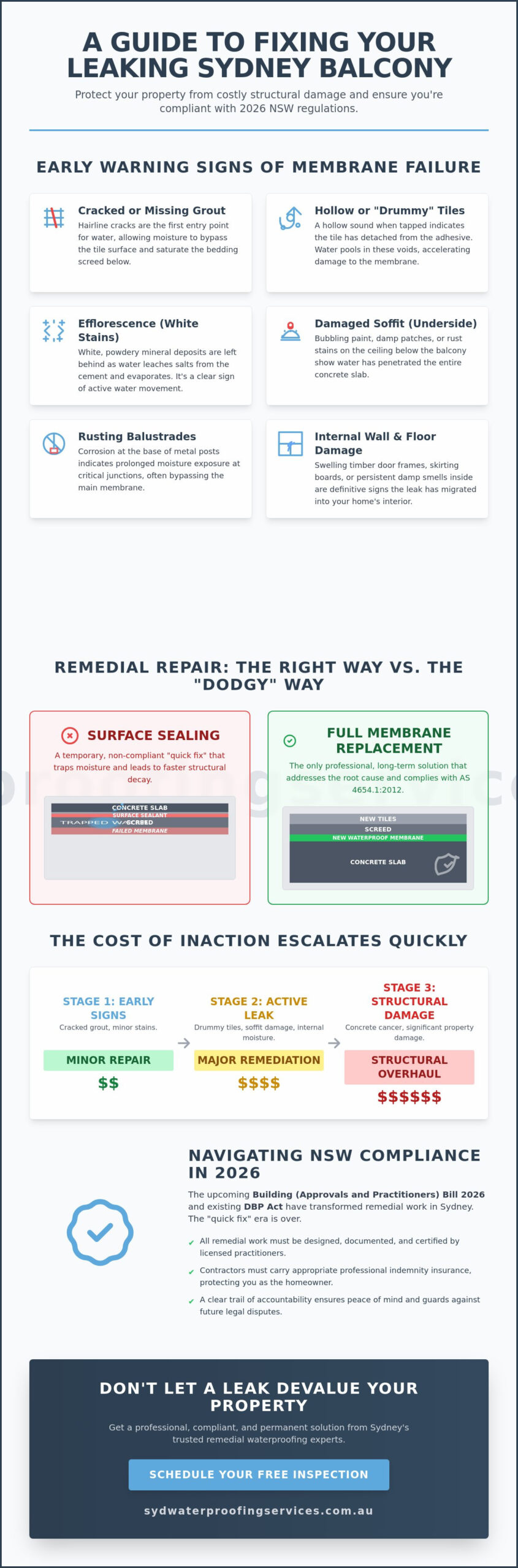
Early detection is the only way to avoid the astronomical costs of structural remediation. In Sydney, our balconies endure a harsh cycle of intense UV radiation and salt-laden coastal winds. These environmental factors accelerate the degradation of even the most robust materials. When you need to fix leaking balcony sydney properties, the process begins with a meticulous inspection of the surface. If you notice hairline cracks in the grout or tiles that sound hollow when tapped, these are clear indicators that the underlying membrane has been compromised.
These “drummy” tiles occur when water seeps beneath the surface and destroys the bond between the tile and the adhesive. Once the bond is lost, water pools in the cavity, creating a reservoir that feeds directly into the building’s structure. This moisture doesn’t stay contained; it eventually migrates through the slab to cause internal ceiling damage, often appearing as damp patches or peeling paint in the rooms below.
The Telltale Signs of Efflorescence and Calcification
Efflorescence appears as white, powdery, or crystalline salt deposits along grout lines or at the balcony edge. This isn’t just a cleaning issue. It occurs when water penetrates the tile surface and leaches minerals from the cementitious bedding screed. As the water evaporates, it leaves behind these mineral deposits. While many property owners try to scrub these marks away, the presence of calcification proves that water is actively moving through the substrate. Ignoring this sign allows the moisture to reach the structural slab, where it can cause far more significant damage.
Visual Cues from the Soffit and Balustrades
You must look beyond the tiled surface to understand the full extent of the problem. Inspect the soffit, which is the underside of the balcony slab, for any signs of bubbling paint, damp patches, or brown rust stains. These stains often indicate that water has reached the internal steel reinforcement. Effective waterproofing is a fundamental aspect of creating a building envelope that protects against this type of “concrete cancer.”
Pay close attention to the junctions where balustrade posts meet the floor. Movement in these joints often creates micro-cracks that bypass the primary membrane. If left unaddressed, this water ingress eventually manifests as internal ceiling damage. Look for the following indicators during your inspection:
- Persistent damp smells in adjacent internal rooms or cupboards.
- Swelling timber door frames or skirting boards near the balcony entrance.
- Water droplets or staining on the ceiling directly beneath the balcony area.
- Cracked or “drummy” tiles that have lost their bond with the adhesive.
- Rust stains leaching from the base of metal balustrades or railings.
Identifying these issues early allows for targeted remedial waterproofing rather than a complete structural overhaul. Professional intervention at this stage preserves both the safety of the structure and the long-term value of your Sydney home.
NSW Compliance and the Design and Building Practitioners Act (DBPA)
The legal landscape for Sydney property owners is currently in a state of transition. The proposed *Building (Approvals and Practitioners) Bill 2026* aims to streamline the approval process by replacing the older *Design and Building Practitioners Act 2020*. If you’re looking to fix leaking balcony sydney residents’ properties, you must ensure your contractor understands these nuances. Compliance isn’t optional. It’s a fundamental requirement that protects you from the structural failures and legal disputes that plagued the industry in previous decades. Modern legislation ensures that any remedial waterproofing is designed and executed by registered practitioners who carry the necessary professional indemnity insurance.
This shift in legislation means that the “quick fix” era is over. Every stage of a repair must now be documented, declared, and certified. This provides a clear trail of accountability that was previously missing from the Sydney construction market. For homeowners, this means peace of mind. You’re no longer at the mercy of unverified claims; you’re protected by a framework that demands professional integrity and technical competence.
What is a Class 2 Building in Sydney?
Class 2 buildings are typically multi-unit residential apartment blocks. Under the National Construction Code, these structures are high-risk environments for water ingress because one unit’s failure can compromise the entire building’s integrity. Strata managers and owners’ corporations are now under immense pressure to ensure all remedial work is fully compliant. If a repair fails and it wasn’t performed by a licensed practitioner, the financial fallout can be devastating. Handyman repairs might seem cheaper initially, but they lack the legal standing required to satisfy modern strata insurance policies or the 1 July 2026 legislative extensions.
The Role of the Waterproofing Certificate
A waterproofing certificate is a mandatory document that verifies your repair meets Australian Standard AS 4654.1:2012. It’s your primary defense against future liability. During our balcony waterproofing process, we record every technical detail to ensure your project stands up to legislative scrutiny. This level of transparency is essential for maintaining property value. When a building’s history shows certified, professional repairs, it eliminates the “fear factor” for future buyers and lenders alike. It’s an investment in your property’s future resale potential.
You don’t want to be caught with a non-compliant repair when the next round of building audits occurs. Ensuring your project is handled by qualified remedial experts is the only way to guarantee long-term security and compliance with NSW Fair Trading standards.
Remedial Repair Options: Membrane Replacement vs. Surface Sealing
Choosing the correct method to fix leaking balcony sydney properties depends on your long-term goals for the asset. You’ll often encounter “clear sealers” or “over-tile” solutions marketed as a cost-effective, non-invasive fix. While these might stop a minor leak temporarily, they frequently fail within months. These products lack the elasticity required to bridge structural cracks or withstand the natural expansion and contraction of a building. Relying on a surface coating is a high-risk strategy that often leads to more expensive structural repairs down the track.
Permanent remediation requires a more disciplined approach. For most Sydney homes, a liquid-applied membrane is superior to traditional sheet membranes. Liquid systems create a seamless, monolithic barrier that bonds directly to the substrate. This eliminates the risk of water migrating beneath seams, which is the primary failure point for sheet-based products. Before any membrane is applied, we must also address the “falls” or drainage slopes. If water ponds on your balcony because of poor drainage, even the best membrane will eventually succumb to hydrostatic pressure.
Full Membrane Replacement: The Gold Standard
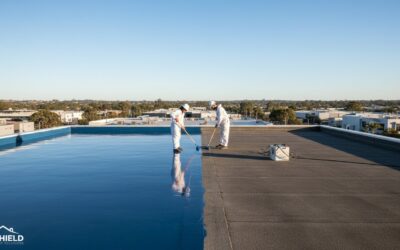
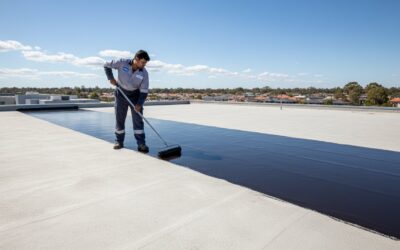
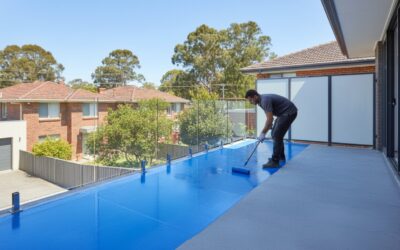
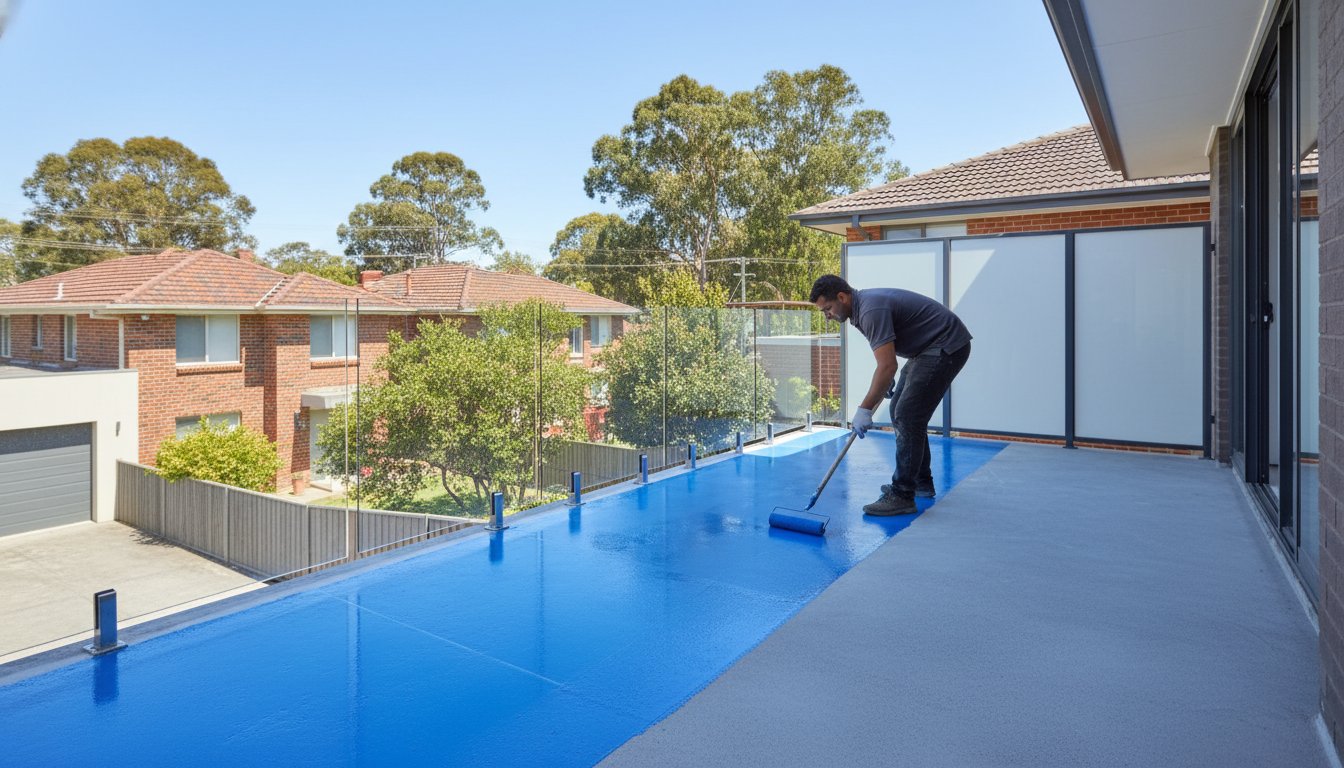
Full membrane replacement is the only way to achieve total peace of mind. This process involves stripping the balcony back to the raw structural slab. We remove all existing tiles, the bedding screed, and the failed membrane to identify any underlying concrete damage. Once the surface is prepared, we apply high-performance polyurethane or epoxy-modified systems. This “rip up and replace” method allows us to build a definitive shield against water ingress. It’s the only professional standard that supports a 10-year leak-free result.
Addressing Expansion Joints and Perimeter Seals
A waterproofing system is only as reliable as its weakest junction. Most leaks originate at the wall-to-floor transition or around drainage grates. Professional joint sealing Sydney services are essential to ensure these high-movement areas remain watertight. We use flexible, high-grade sealants designed to handle Sydney’s extreme temperature fluctuations without cracking or pulling away from the substrate. Grout is rigid and naturally porous; it won’t stop water. You need a dedicated joint sealing strategy to prevent moisture from bypassing your new membrane and reaching the internal structure of your home.
By prioritising a comprehensive remedial approach over a quick fix, you protect your property’s value and structural integrity. A disciplined repair today prevents the catastrophic failure of tomorrow.
Estimating the Cost to Fix a Leaking Balcony in Sydney
Determining the exact investment required to fix leaking balcony sydney assets involves more than a simple square-metre calculation. Every project presents a unique set of variables that influence the final scope of work. While the surface area is a primary factor, the choice of replacement tiles and the underlying condition of the slab are equally critical. If water ingress has already reached the internal steel reinforcement, you’re no longer looking at a simple waterproofing job; you’re facing concrete cancer remediation.
Structural damage is often hidden beneath the surface. Once we remove the old tiles, we may find spalling concrete where the steel has rusted and expanded. This requires specialised treatment before a new membrane can be applied. Site access also plays a major role in Sydney’s dense urban environment. Remediation for a tenth-floor apartment in the CBD involves different logistics, such as material hoisting or waste disposal through restricted lifts, compared to a ground-floor terrace in the suburbs. These logistical factors must be accounted for in any professional quote to ensure there are no surprises midway through the project.
Remedial vs. Preventative Costs
Investing in a high-performance, Australian-standard membrane is always more economical than a structural rebuild. Regular maintenance and professional joint sealing can prevent the need for massive strata levies that arise when an entire building’s balconies fail simultaneously. Choosing premium materials today ensures you won’t be paying for the same repair again in a few years. It’s a matter of protecting your asset’s value through disciplined, proactive maintenance rather than waiting for a catastrophic failure.
What to Look for in a Waterproofing Quote
A professional quote must be transparent and comprehensive. It should account for the removal of all debris and the thorough preparation of the substrate. Ensure your contractor includes essential components like new puddle flanges and updated drainage grates. Without these, even the best membrane remains vulnerable. Most importantly, verify that your specialist is fully insured and licensed to operate under current NSW legislation. A quote that seems too low often indicates that critical steps, such as proper surface priming or compliant documentation, are being skipped.
Don’t risk your property’s structural integrity on a vague estimate or a temporary fix. You can request a detailed remedial assessment to understand the full requirements of your project and secure a compliant, long-term solution.
Why Sydney Waterproofing Services is the Trusted Choice for Remedial Work
Sydney Waterproofing Services stands as a definitive shield against structural decay. With over a decade of specialised experience in remedial building and structural protection, we’ve developed a reputation for professional integrity and technical excellence. Based in Seven Hills, we serve the entire Sydney metropolitan area, providing property owners with the security of a permanent fix. Our team understands that to fix leaking balcony sydney residents need more than a superficial patch; they require a comprehensive restoration that addresses the root cause of water ingress.
We take a no-nonsense approach to every project. We don’t just apply a membrane and leave. We investigate the substrate, verify the drainage falls, and ensure the structural slab is sound. This seasoned perspective allows us to identify potential failures before they manifest as costly emergencies. We focus on results and the tangible benefits of expert intervention, ensuring your asset remains protected for years to come.
A Holistic Approach to Balcony Restoration
We manage every phase of the project from the first instance of leak detection to the final grout line. This integrated service model is a core strength of our business. By combining expert remedial waterproofing with professional tiling services, we eliminate the communication gaps that often lead to project delays or technical failures. We use only the highest-grade remedial materials specifically formulated for the Australian climate and coastal conditions. This commitment to quality makes us the preferred choice for both private homeowners and complex strata committees who require a reliable, long-term result.
Our process is methodical and disciplined. We ensure that every joint is sealed and every tile is laid with precision, creating a seamless finish that is as beautiful as it is durable. You aren’t just hiring a contractor; you’re partnering with a dependable guardian for your asset who prioritises quality and client satisfaction above all else.
Ready to Secure Your Property?
Don’t wait for the next heavy downpour to test your balcony’s integrity. Water ingress is a progressive issue that only becomes more expensive to repair over time. Our local expertise in Seven Hills and the Greater Sydney region ensures we understand the specific challenges posed by coastal exposure and urban density. We provide the peace of mind you need to protect your home’s structural health and market value through authoritative, expert intervention.
Take action before minor leaks turn into major structural liabilities. Contact Sydney Waterproofing Services for a professional quote today and ensure your balcony is fixed permanently by the city’s leading remedial specialists.
Secure Your Asset with Professional Remedial Intervention
A leaking balcony represents a serious threat to your home’s structural integrity and your financial security. You now understand that surface sealants are merely temporary masks for deeper issues like membrane failure and concrete cancer. By prioritising a full membrane replacement and adhering to the 2026 NSW building regulations, you ensure your property remains a safe and valuable asset. Professional intervention is the only way to navigate these structural complexities successfully.
When you’re ready to fix leaking balcony sydney issues for good, you need a team that combines technical mastery with legal compliance. We operate as Licensed Remedial Builders and specialists in DBPA compliance, providing a 10+ year warranty on workmanship to give you total peace of mind. Our disciplined approach ensures that every repair meets the highest Australian standards and delivers lasting protection.
Get a Professional Remedial Quote for Your Leaking Balcony
Take the first step toward a leak-free future and restore the aesthetic and structural excellence of your home today.
Frequently Asked Questions
Can I fix a leaking balcony without removing the tiles?
Surface sealants can provide a temporary reprieve for minor leaks, but they rarely offer a permanent solution. To fix leaking balcony sydney properties for the long term, we generally recommend removing the tiles to replace the failed underlying membrane. This is the only way to ensure the structural slab is fully protected and that the repair meets current Australian Standards for remedial work.
How long does a typical balcony waterproofing repair take in Sydney?
A standard remedial project typically takes between five and ten working days to complete. This timeframe allows for the disciplined removal of existing surfaces, substrate preparation, and the necessary curing periods for high-performance liquid membranes. Sydney’s coastal humidity and unpredictable rainfall can occasionally extend this duration, as the substrate must be completely dry before we apply each protective layer.
Is a leaking balcony the responsibility of the owner or the strata?
Responsibility generally depends on your specific strata plan and the source of the failure. In most Sydney apartment complexes, the structural slab and the original waterproofing membrane are considered common property, making them a strata responsibility. However, if the leak is caused by owner-installed tiles or private renovations, the individual lot owner is typically liable for the remediation costs and any resultant damage.
What is the best waterproofing membrane for Sydney balconies?
High-performance liquid-applied polyurethane membranes are the professional standard for remedial balcony work in our climate. These systems create a seamless, monolithic barrier that moves with the building’s natural expansion and contraction. Unlike traditional sheet membranes, liquid systems bond directly to the substrate. This eliminates the risk of water travelling beneath the surface, which is a common cause of failure in older Sydney buildings.
Why does my balcony leak only during heavy rain?
Heavy rain increases hydrostatic pressure, which forces water through micro-cracks that might remain dry during light showers. If your drainage system is partially restricted or the “fall” toward the grate is insufficient, water pools on the surface. This prolonged exposure allows moisture to penetrate the grout and reach the compromised membrane, eventually migrating into the internal structure of the building.
Will my insurance cover the cost of fixing a leaking balcony?
Most standard Australian insurance policies exclude repairs caused by gradual deterioration, wear and tear, or faulty workmanship. While your policy might cover the “resultant damage” to internal ceilings or floorboards, the cost to fix leaking balcony sydney membranes is usually an out-of-pocket expense. You should review your Product Disclosure Statement for specific exclusions regarding waterproofing and maintenance-related claims.
What is the difference between a tiler and a waterproofing specialist?
A waterproofing specialist focuses on the structural defense and legislative compliance of the building envelope, whereas a tiler handles the aesthetic finish. While some tilers are licensed to waterproof, a remedial specialist understands the complex interactions between substrates and chemical membranes. Hiring a dedicated specialist ensures your project receives a formal certificate of compliance and a robust, long-term workmanship warranty.
How do I know if my balcony has structural damage or just a leak?
Look for rust stains leaching through the concrete or bubbling paint on the balcony’s underside, known as the soffit. These signs indicate concrete cancer, where moisture has reached the internal steel reinforcement. If you only see minor grout cracking or damp patches without these stains, it may be a simple membrane failure. A professional remedial assessment is required to confirm the slab’s structural integrity.