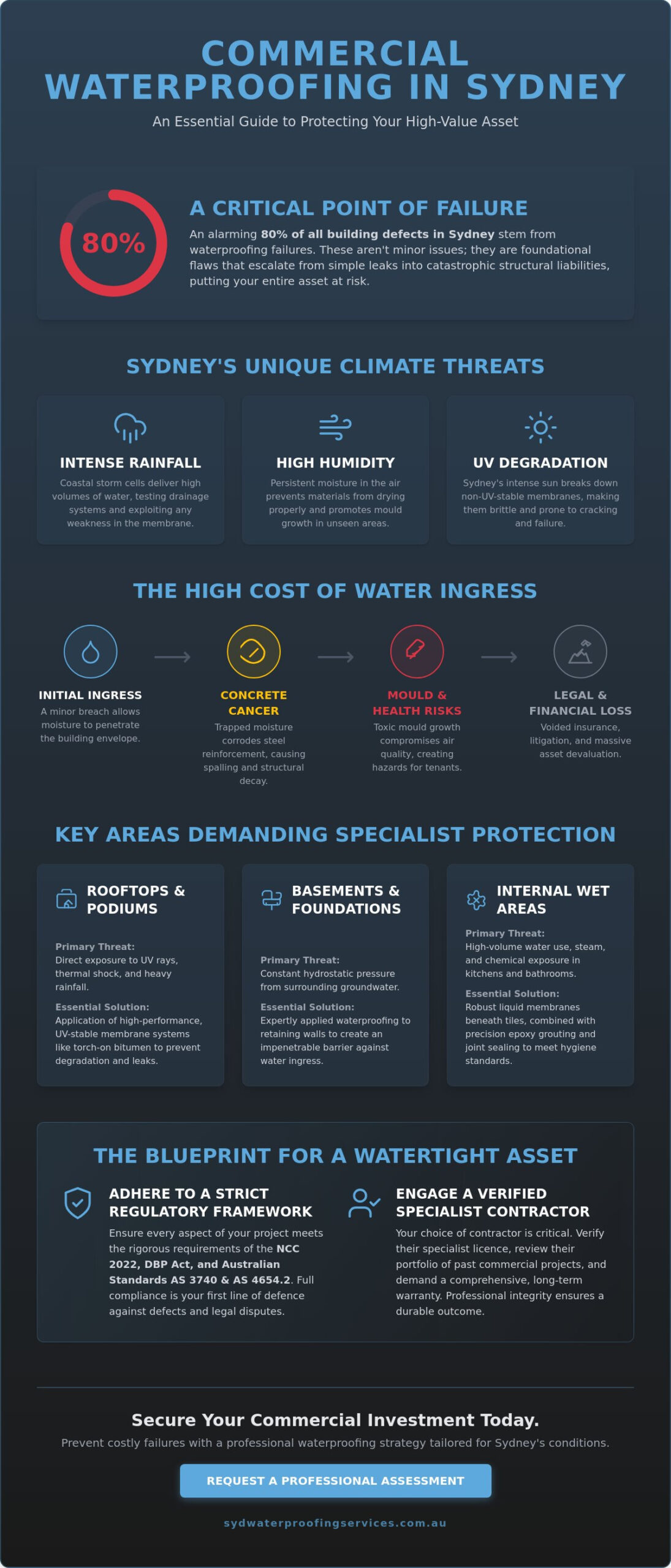
Waterproofing failures account for approximately 80% of all building defects in Sydney, often turning minor installation oversights into massive structural liabilities. You likely know that protecting a commercial asset requires more than just a surface-level fix; it demands a disciplined approach to long-term preservation. Between the rigorous requirements of the Design and Building Practitioners (DBP) Act and the updated NCC 2022 provisions, ensuring your property remains compliant and dry is a high-stakes responsibility. It’s a challenge that requires an authoritative understanding of commercial waterproofing sydney and a commitment to professional integrity.
This guide provides the technical clarity you need to master the complexities of asset protection, from selecting durable membrane systems to implementing remedial solutions that safeguard your investment. You’ll learn how to navigate the latest Australian Standards for internal and external areas, including the 2026 updates to AS 3740 and AS 4654, while ensuring full regulatory compliance. We also outline the strategies used to identify leak sources in large-scale buildings and how to achieve a watertight result with minimal disruption to your commercial tenants.
Key Takeaways
- Understand how Sydney’s unique climate, characterised by high humidity and intense coastal rainfall, necessitates a comprehensive structural defence system rather than just a surface-level application.
- Navigate the complex NCC 2022 framework and AS 4654.2 standards to ensure your commercial waterproofing sydney projects meet all current New South Wales building regulations.
- Identify the most reliable membrane technologies for your asset, specifically focusing on UV-stable solutions for exposed rooftops to prevent premature degradation.
- Learn to recognise early signs of failure like efflorescence and bubbling paint to transition from costly reactive repairs to a proactive, long-term maintenance strategy.
- Establish a rigorous selection process for contractors by verifying specialist licences and past commercial project references to ensure a durable, watertight outcome.
Understanding the Scope of Commercial Waterproofing in Sydney
Commercial waterproofing isn’t a mere finishing touch. It’s a fundamental structural defence system designed to repel external threats before they compromise the building’s core. Understanding Waterproofing at this scale requires a shift in perspective; you aren’t just applying a membrane, you’re installing a definitive shield. In a city like Sydney, where property values are among the highest in the world, this shield is your primary insurance against asset devaluation. It’s about protecting the integrity of the concrete and the safety of everyone inside.
The local climate presents unique hurdles for any large-scale asset. Sydney experiences intense coastal rainfall and persistent high humidity, factors that can quickly expose flaws in substandard installations. Commercial waterproofing sydney specialists must account for these environmental stressors, ensuring that every joint and membrane can withstand the rapid thermal expansion and contraction typical of our summers. When the rain hits, the water must be directed away from the structure with absolute precision.
Commercial projects demand significantly higher durability ratings than residential builds. These structures face higher foot traffic, heavier mechanical loads, and longer expected lifespans. A failure in a commercial setting doesn’t just affect one room; it can disrupt entire business operations and compromise the safety of hundreds of tenants. This is why professional-grade systems are non-negotiable for maintaining property value and meeting your duty of care as a building owner.
Critical Commercial Areas Requiring Professional Sealing
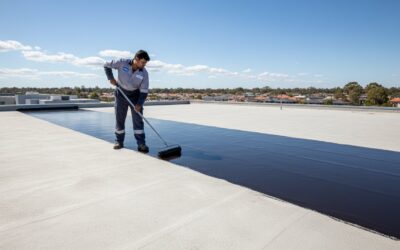
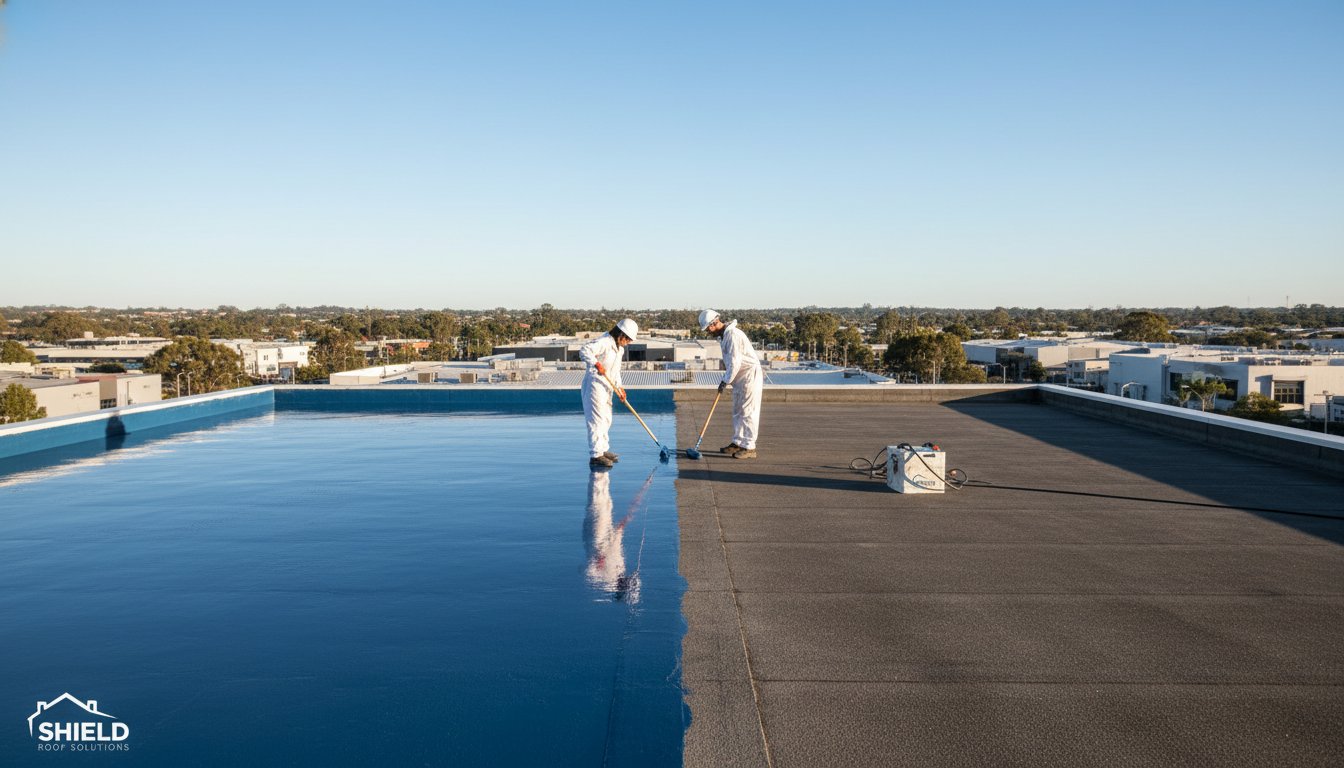
Rooftops and podium levels act as the primary line of defence against Sydney’s unpredictable storm cells. These areas require high-performance, UV-stable systems to prevent membrane degradation. Basements and lift pits face a different threat: hydrostatic pressure from the surrounding soil. This requires expert application of retaining wall waterproofing to prevent groundwater from seeping into the building’s foundation. Meanwhile, commercial kitchens and wet areas need robust tiling services and precision joint sealing to manage high-volume water use and strict hygiene standards.
The Consequences of Water Ingress in Commercial Assets
Ignoring water ingress leads to concrete cancer, where moisture causes internal steel reinforcement to rust and expand. This process triggers spalling and structural deterioration, a common sight in older Sydney CBD high-rises. Beyond structural risks, moisture fosters mould growth, which severely impacts indoor air quality and tenant health. The legal liabilities for property owners are substantial; non-compliant waterproofing can void insurance policies and lead to expensive litigation if tenant safety is compromised. Proactive commercial waterproofing sydney is the only way to mitigate these risks effectively and ensure long-term peace of mind.
Primary Waterproofing Systems for Sydney Commercial Buildings
Selecting a system for commercial waterproofing sydney isn’t just about picking a product; it’s about matching technology to the environment. The substrate, whether it’s reinforced concrete, timber, or compressed fibre cement (CFC), dictates the chemical compatibility and adhesion requirements of the entire system. For exposed assets, UV stability is paramount. Sydney’s high solar index can turn a non-UV-rated membrane brittle in months, leading to catastrophic failure. Compliance with the National Construction Code (NCC) ensures these systems are installed to survive the lifecycle of the building, provided they are integrated with proper drainage.
Effective water management relies on more than just the membrane. Under the updated AS 4654-2026 standards, external areas must maintain a minimum 1:100 drainage fall to prevent ponding. If water sits on a membrane for extended periods, even the best systems can eventually fail. A professional installation ensures that the membrane and the drainage work in synergy to direct water away from the structure immediately.
Torch-on Bituminous Membranes
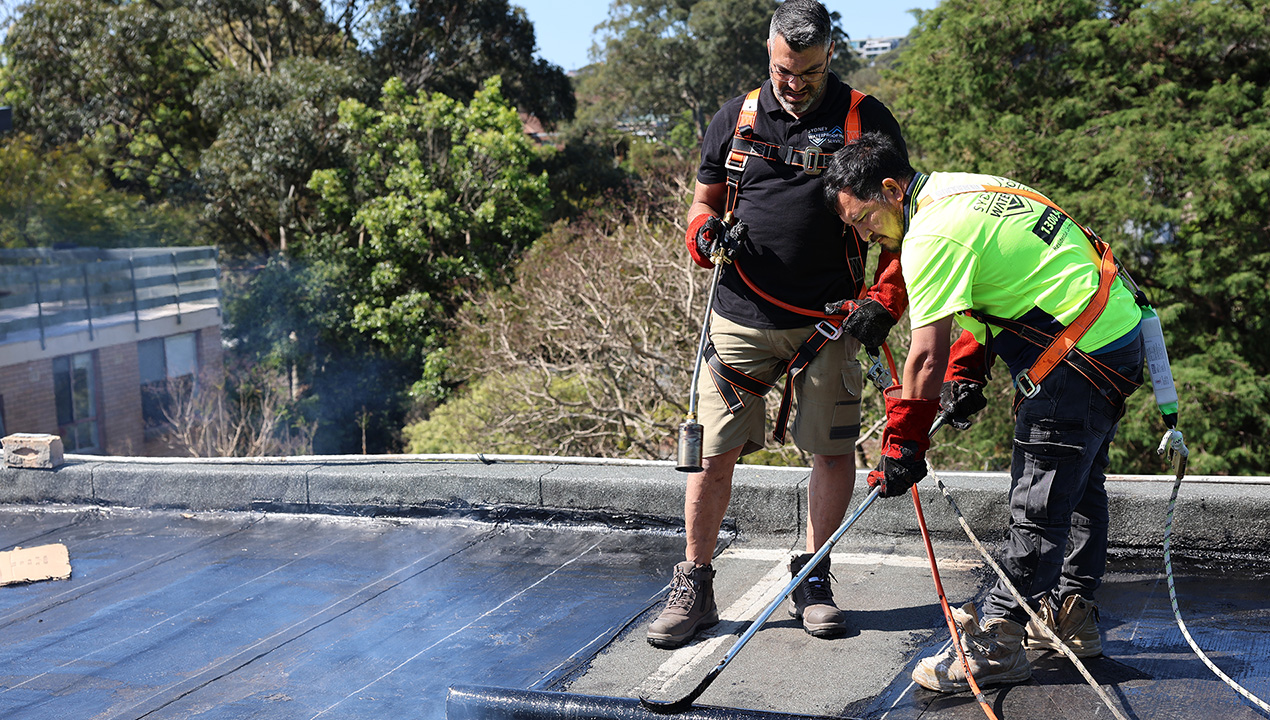
Torch-on bituminous membranes remain the gold standard for commercial flat roofs in New South Wales. This multi-layer system consists of a base sheet and a granulated cap sheet, thermally fused to create a monolithic barrier. It’s incredibly durable and offers high puncture resistance. When we install these on rooftop gardens or planter boxes, we specify root-resistant additives to ensure the structural integrity isn’t compromised by vegetation over time. It’s a heavy-duty solution for high-stakes environments.
Liquid-Applied Membranes and Epoxy Coatings
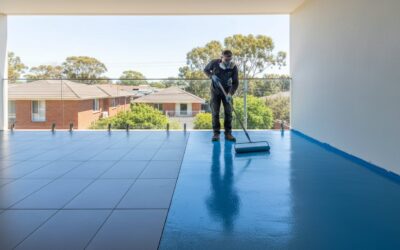
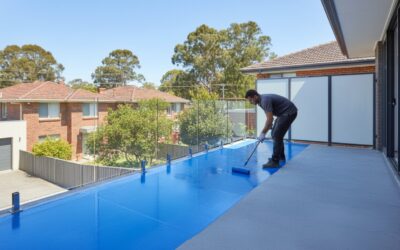
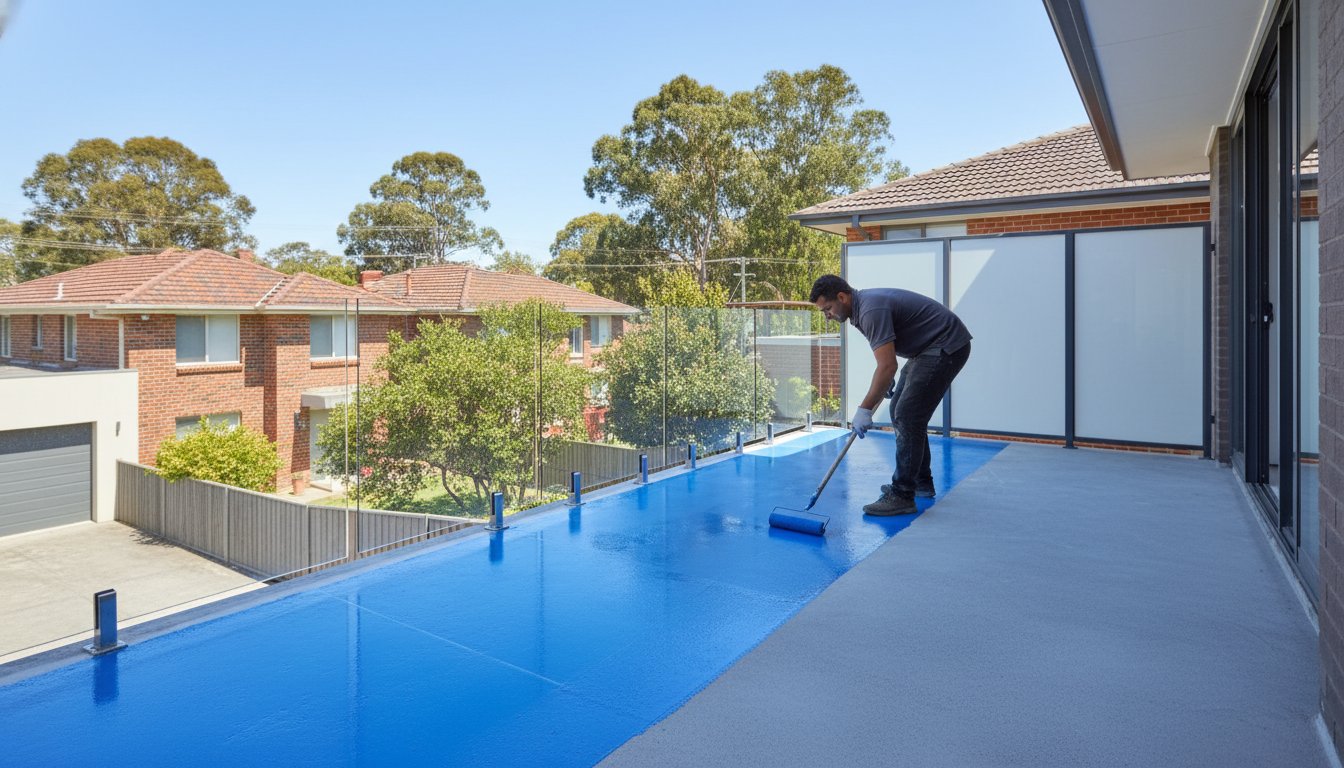
Complex geometries, such as plant rooms with multiple pipe penetrations, benefit from liquid systems. They create a seamless finish that eliminates the risk of seam failure. Polyurethane membranes are increasingly favoured over older acrylic chemistries for commercial wet areas due to their superior flexibility and crack-bridging capabilities. For high-traffic areas like plant rooms or car parks, epoxy coatings offer a definitive shield against chemical ingress and mechanical wear. If you are overseeing a major project, getting your balcony and terrace waterproofing right during the initial phase prevents the high cost of remedial intervention later.
Sheet Membranes and PVC Liners
Sheet membranes and PVC liners provide a consistent thickness that is ideal for large-scale podiums and retaining walls. You can choose between mechanically fastened systems or fully bonded applications depending on the structural movement expected. The success of these systems hinges on the quality of the joint sealing. Every seam must be perfectly welded to maintain continuity across the entire surface. Without precise detailing at the joints, the entire defence system is at risk.
Compliance, Standards, and the NCC 2022 Framework
The National Construction Code (NCC) 2022 represents a rigorous benchmark for every commercial waterproofing sydney project. Since the full implementation of these provisions on May 1, 2023, the code has tightened the requirements for both new builds and major remedial works. These regulations aren’t just red tape; they’re designed to prevent the 80% of building defects that typically stem from moisture ingress. For property owners, compliance is the most effective way to maintain asset value and avoid the legal fallout of structural failure.
AS 4654.2 is the critical standard for external applications, such as the large podiums and rooftops common in Sydney’s commercial sector. While many contractors are familiar with the domestic standard AS 3740, the external standard is significantly more demanding regarding UV resistance and thermal movement. Professional certification, specifically the provision of a Waterproofing Compliance Certificate, is a legal necessity. This document protects strata committees by verifying that all work meets the Deemed-to-Satisfy (DTS) provisions or a Performance Solution under the NCC.
Australian Standards: AS 3740 vs. AS 4654
AS 3740-2021 focuses on internal wet areas, requiring strict adherence to membrane thickness and junction sealing. In contrast, AS 4654 governs external above-ground areas. The 2026 updates to these standards have introduced even stricter rules for drainage falls and UV-exposure testing. You must verify that your chosen specialist can distinguish between these requirements, as applying an internal-grade system to a rooftop is a recipe for rapid failure. Consistency across these standards ensures your building remains a watertight fortress.
Documentation and Quality Assurance
A robust Waterproofing Management Plan (WMP) is the backbone of any professional commercial project. It establishes clear inspection hold-points where the substrate, priming, and first-coat application are verified before the next stage begins. Strata managers should consult the NSW guide to strata maintenance to understand their obligations regarding these records. We recommend maintaining a comprehensive digital trail, including high-resolution photographs of every corner and 24-hour flood test results. This level of transparency is exactly what insurers and legal teams look for when evaluating the integrity of an asset. It ensures that commercial waterproofing sydney projects are delivered with full accountability.
Remedial Waterproofing and Maintenance for Sydney Strata
Sydney’s aging commercial infrastructure demands a fundamental shift in mentality. Waiting for a visible leak before acting is a high-risk strategy that often leads to exponential repair costs and structural compromise. Proactive maintenance is the only way to preserve the long-term value of high-density assets. When managing commercial waterproofing sydney, the goal is to identify vulnerabilities before they manifest as internal damage. This disciplined approach ensures that small issues don’t evolve into major capital works projects.
Signs of failure are often hidden in plain sight. You should look for efflorescence, a white powdery salt deposit on concrete surfaces, which indicates water is migrating through the substrate. Bubbling paint on ceilings or walls suggests moisture is already trapped behind the surface. In severe cases, you might see calcium stalactites forming in basements or car parks. These “stone icicles” are a definitive warning that water is leaching minerals from your concrete, a process that leads directly to structural weakening and concrete cancer. Identifying these markers early is essential for effective asset protection.
True remedial success often requires a “back-to-slab” approach. Attempting to patch a failing system by applying a new membrane over an old, saturated one is a common mistake that leads to rapid re-failure. For a permanent fix, the existing layers must be removed to expose the original substrate. This allows for proper surface preparation and ensures the new system bonds directly to the concrete. If your building is showing these signs, it’s time to enquire about professional remedial waterproofing to secure your asset’s future.
Leak Detection and Diagnostic Reporting
Modern diagnostics have replaced guesswork. We utilise non-destructive testing methods, such as thermal imaging and electronic leak detection, to map moisture paths without damaging the building fabric. The resulting Remedial Waterproofing Report provides a clear roadmap for intervention. It categorises issues based on structural risk and tenant impact, allowing strata committees to prioritise their maintenance budget effectively. This data-driven approach removes the ambiguity from repair schedules.
Expansion Joint Sealing and Facade Maintenance
Sydney high-rises are dynamic structures that move with thermal changes and wind loads. This movement is managed by expansion joints, which rely on high-quality joint sealing to remain watertight. The lifecycle of commercial silicone and polyurethane sealants is finite; they eventually lose elasticity and pull away from the substrate. Professional caulking services are essential to prevent facade leaks that can bypass even the best internal membranes. Maintaining these structural junctions is a critical component of commercial waterproofing sydney that ensures the building remains a sealed, defensive unit.
Selecting a Commercial Waterproofing Partner in Sydney
Choosing a contractor for commercial waterproofing sydney requires a disciplined evaluation of technical competence and professional integrity. Many property managers fall into the trap of accepting the lowest bid, only to find themselves facing expensive remedial projects within a few years. A cheap quote usually signals a compromise in material quality or a disregard for the rigorous NCC 2022 standards we’ve established as essential. In the high-stakes environment of Sydney real estate, a shortcut today is a structural liability tomorrow. You need a partner who views your building as a long-term asset, not just a short-term job site.
When vetting potential partners, you must verify their specific licences for commercial-grade applications. Standard residential certifications often lack the depth required for complex podium levels or high-pressure retaining walls. Demand recent references from similar large-scale projects in New South Wales. A local specialist based in Seven Hills offers a distinct advantage for Greater Sydney projects, providing a rapid response and a deep understanding of local environmental stressors. This proximity ensures that quality control remains a top priority throughout the project lifecycle and that the team understands the specific substrate challenges of the region.
The Sydney Waterproofing Services Advantage
We position ourselves as a dependable guardian of your structural assets. Our team is committed to absolute compliance with Australian Standards and the latest NCC 2022 framework. We specialise in high-risk areas, including commercial balconies, rooftops, and retaining wall waterproofing. By providing integrated tiling services alongside our membrane installations, we eliminate the common coordination issues between separate trades. This results in a seamless, watertight finish that stands up to the most demanding conditions. We don’t just apply membranes; we deliver a definitive shield against water ingress.
Getting a Professional Commercial Quote
An accurate commercial waterproofing estimate requires transparency and detail. You should provide architectural plans, site access details, and any previous diagnostic reports if the work is remedial. A professional quote will clearly outline the scope of work, the specific membrane systems to be used, and the relevant warranty periods. This clarity allows you to make an informed decision based on long-term value rather than short-term cost savings. It’s about ensuring your investment is protected by a system that actually works. To begin the process of securing your building, you can request a professional commercial waterproofing assessment to identify the exact technical needs of your property.
Protecting Your Structural Investment
Mastering the complexities of asset protection requires a disciplined commitment to technical standards and proactive maintenance. We’ve explored how the NCC 2022 framework and the specific requirements of AS 4654.2 form the foundation of a durable building. By addressing early signs of moisture ingress and selecting high-performance membrane systems, you can effectively mitigate the risk of concrete cancer and structural devaluation. It’s about shifting from reactive repairs to a strategy of long-term preservation.
Investing in high-quality commercial waterproofing sydney is a strategic decision that pays dividends in property value and tenant safety. Our team brings expert knowledge of current regulations and specialised experience in both remedial and new-build commercial solutions. We’re fully licensed and insured for large-scale projects, providing a definitive shield for your assets. Secure Your Commercial Asset with Sydney’s Waterproofing Experts today. You can move forward with total peace of mind knowing your property is in the hands of seasoned industry veterans.
Frequently Asked Questions
What is the most common cause of commercial waterproofing failure in Sydney?
Poor surface preparation and inadequate substrate priming are the most frequent causes of failure. In the context of commercial waterproofing sydney, many contractors rush the cleaning phase, which leads to poor membrane adhesion. If the substrate isn’t dry and free of contaminants like dust or oil, the membrane will eventually delaminate. This oversight often results in costly remedial repairs that could have been avoided with a more disciplined installation approach.
How long should a commercial waterproofing membrane last?
A high-quality commercial waterproofing membrane should last between 10 and 20 years, provided it’s professionally installed and maintained. Factors such as UV exposure, building movement, and foot traffic will influence the system’s actual lifespan. Regularly scheduled inspections are essential to identify minor wear before it compromises the structural integrity of the asset. Choosing a durable, UV-stable system for exposed areas ensures the maximum possible service life for your investment.
Does commercial waterproofing require a specific licence in NSW?
Yes, any professional performing waterproofing work in New South Wales must hold a valid contractor licence from NSW Fair Trading. For large-scale assets, it’s critical to verify that your partner is specifically insured and experienced in commercial-grade applications. Engaging an unlicensed individual not only voids your insurance but also risks non-compliance with the Design and Building Practitioners (DBP) Act. Always request proof of current licensing before any work commences.
What is the difference between residential and commercial waterproofing standards?
Commercial standards require higher durability ratings and more robust documentation than typical residential projects. While residential work often focuses on AS 3740 for internal wet areas, commercial waterproofing sydney projects must strictly adhere to AS 4654.2 for external above-ground use. Commercial buildings face greater structural loads and thermal movement, necessitating specialised membrane systems and more frequent inspection hold-points during the installation process to ensure long-term compliance.
How does heavy Sydney rain affect the waterproofing installation process?
Heavy rain can significantly disrupt the installation process by increasing substrate moisture levels beyond acceptable limits. Membranes cannot be applied to wet or damp surfaces as this prevents proper bonding and traps moisture beneath the seal. Professional waterproofers monitor local weather patterns and use moisture meters to ensure the substrate meets manufacturer specifications before application. Attempting to apply a system during or immediately after a storm is a primary cause of premature failure.
Can you perform remedial waterproofing without removing existing tiles?
While some “over-tile” systems exist, we recommend a “back-to-slab” approach for a definitive remedial fix. Applying a new membrane over existing tiles often masks the underlying problem and fails to address moisture already trapped in the substrate. To ensure a long-term warranty and structural security, the existing layers should be removed to allow for proper surface preparation and direct bonding. This methodical process provides the only reliable shield against future water ingress.
What documentation should a commercial waterproofer provide upon completion?
Upon completion, a professional contractor must provide a Waterproofing Compliance Certificate, a record of the materials used, and the manufacturer’s warranty documentation. For commercial assets, you should also receive a final inspection report and evidence of successful flood testing. These documents are essential for insurance purposes and to satisfy the requirements of the NCC 2022. Maintaining this digital trail protects property owners and strata committees from future legal liabilities.
How often should commercial expansion joints be inspected and replaced?
Commercial expansion joints should be inspected annually as part of a proactive maintenance schedule. The flexible sealants used in these joints typically have a lifecycle of 5 to 10 years depending on their exposure to UV radiation and building movement. Once the sealant loses its elasticity or begins to delaminate from the substrate, it must be replaced immediately. Timely joint sealing prevents water from bypassing your primary membranes and causing internal structural damage.